Your Gut Has Never Heard of This Soup — But It Really, Really Should
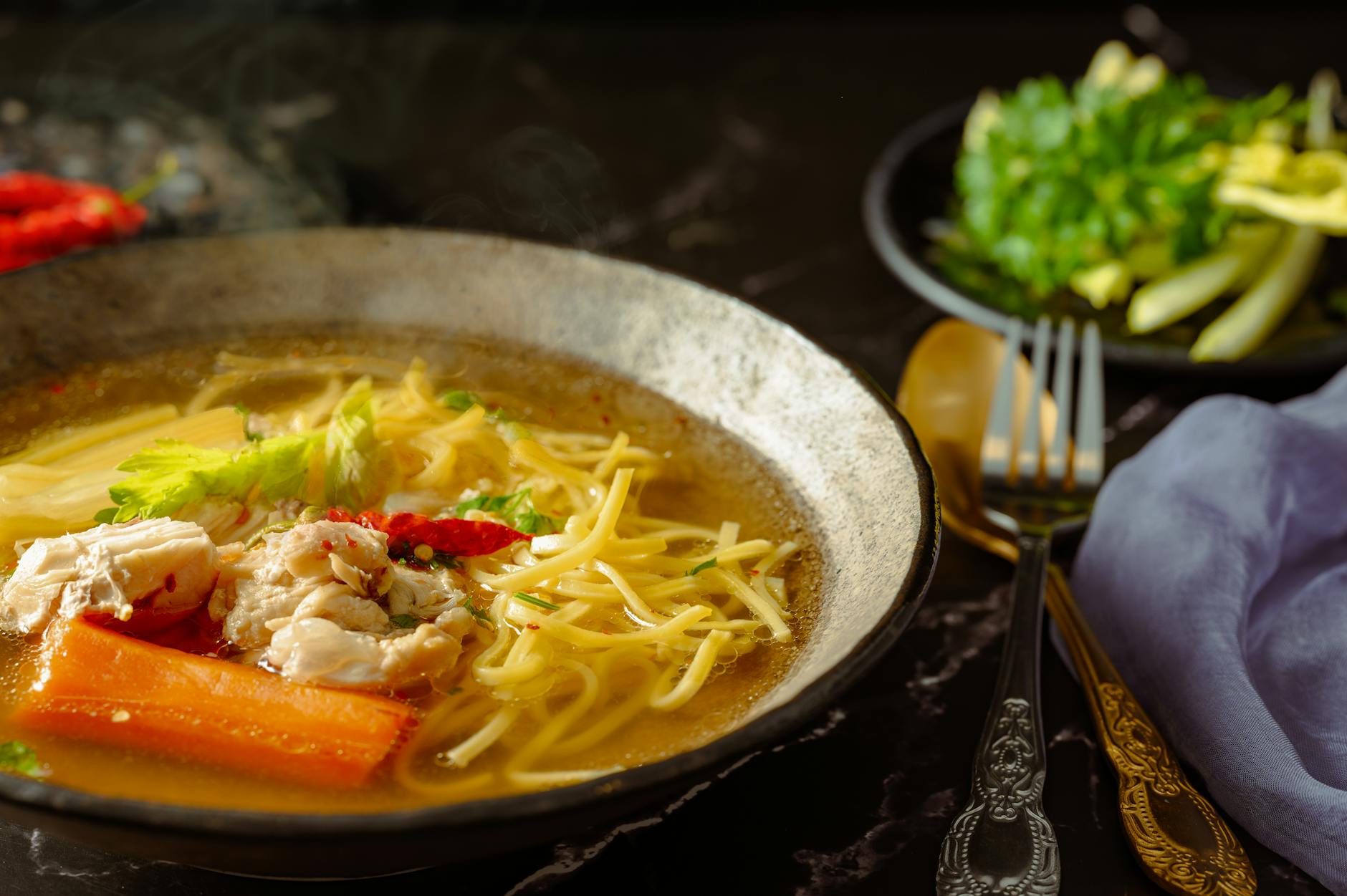
Your Gut Has Never Heard of This Soup — But It Really, Really Should
Okay, so you need to hear about this soup.
I'm not being dramatic. I mean, I'm a little being dramatic, but stay with me, because this is the kind of food discovery that makes you genuinely annoyed nobody told you sooner. It's warm, it's bright green, it smells like a garden decided to become a meal, and it has a nutritional profile that reads like someone designed it in a lab specifically to make registered dietitians emotional.
It's called aguadito de pollo. It's Peruvian. And the fact that it hasn't taken over every corner of American food culture the way poke bowls or açaí did is one of the quiet mysteries of modern eating.
What Even Is This Thing
Aguadito is a traditional Peruvian chicken and rice soup — but calling it "chicken and rice soup" is like calling a symphony "some instruments making noise." The defining ingredient is cilantro, and not a sprinkle of it. We're talking a full blended cup or more of fresh cilantro pureed directly into the broth, which turns the whole soup an almost electric shade of green and gives it a flavor that's herbaceous and bright and slightly grassy in the best possible way.
The base typically includes ají amarillo — a Peruvian yellow chili with fruity heat and almost no equivalent in American cooking — along with garlic, onion, green peas, corn, and chunks of chicken cooked until it's practically dissolving into the broth. The rice goes in toward the end and absorbs everything around it, thickening the soup into something between a broth and a porridge.
In Peru, aguadito is the soup you eat when you're sick. It's the soup you eat when you were out too late and need something to set you right. It's the soup mothers make. It's the soup that shows up at 3am at certain Lima restaurants because someone correctly identified that this is exactly what a human body wants at 3am.
It is, in other words, a soup with a purpose.
The Nutritional Case Is Actually Ridiculous
Here's where it stops being just a good food story and becomes something you want to text your doctor about.
Cilantro, in the quantities used in aguadito, is not garnish-level nutrition. It's a meaningful source of vitamins K, A, and C, along with antioxidants that recent research has linked to reduced inflammatory markers. A 2019 study published in the Journal of Ethnopharmacology examined cilantro's bioactive compounds and found notable antimicrobial and anti-inflammatory properties — effects that are largely lost when cilantro is used as a sprinkle but potentially significant when it's a primary ingredient.
Ají amarillo brings its own credentials. Like most capsaicin-containing peppers, it's associated with metabolic benefits and has been used in traditional Andean medicine for centuries. Peruvian food researchers have been pushing for it to receive more attention in Western nutritional literature for years, with limited success.
The combination of lean protein from chicken, complex carbohydrates from rice, and the fiber from peas and corn means aguadito also hits macronutrient balance in a way that a lot of trendy "superfood" meals genuinely don't. It's satiating without being heavy. It's warming without being caloric. And the broth — slow-cooked and herb-rich — provides a gut-supportive environment that probiotic supplement companies would charge you a lot of money to approximate.
Food historian and culinary anthropologist Dr. José Antonio Calvo, who has written on Andean food traditions, has described aguadito as "one of the most complete single-dish meals in the South American culinary canon." That's not a marketing line. That's a scholar being impressed.
So Why Doesn't Anyone Here Know About It
This is the part that's a little frustrating, honestly.
Peruvian cuisine has had genuine moments of American mainstream attention. Ceviche has broken through. Lomo saltado shows up on fusion menus. Lima-style restaurants have earned serious James Beard recognition. But aguadito specifically — and a lot of Peruvian comfort food more broadly — has stayed stubbornly niche.
Part of the reason is visual. American food media has historically rewarded dishes that photograph in ways that read as "elevated" to a particular aesthetic sensibility. Aguadito is green and soupy and served in a bowl and looks like something your grandmother made, which it absolutely is. That's a feature, not a bug, but it doesn't light up an Instagram grid the way a beautifully plated ceviche does.
There's also the ají amarillo problem. The pepper is genuinely hard to find in most American grocery stores, which creates a barrier for home cooks. Peruvian restaurants in cities like Los Angeles, Houston, Miami, and New York often have it — but outside of those markets, the cuisine hasn't had the distribution infrastructure that, say, Thai or Mexican food built over decades of immigration patterns and restaurant density.
And then there's the comfort food categorization issue. In Peru, aguadito is unambiguously a healing, everyday meal. In American food culture, "healing soups" tend to get slotted into either the medical (chicken noodle) or the wellness-industrial-complex (bone broth, turmeric everything) categories. Aguadito doesn't fit neatly into either box, so it mostly gets ignored.
How to Actually Find It (or Make It)
If you're in a city with a Peruvian community — and more American cities have one than you might think — start by looking for a Peruvian restaurant that serves lunch specials. Aguadito is lunch food, restorative food, weekday food. It's less likely to appear on a dinner tasting menu than it is on a handwritten board near the counter.
If you want to make it at home, ají amarillo paste is available on Amazon and in many Latin grocery stores, and it's the one ingredient you genuinely shouldn't substitute. The rest of the recipe is forgiving, flexible, and surprisingly quick for something that tastes like it cooked all day.
Make a pot on a Sunday. Eat it for lunch on Monday. Notice how you feel.
Then wonder, like I did, why nobody told you about this soup sooner.