The Mountain Elixir Nobody Talks About: Why Appalachian Grandmothers Drank Their Cheese Scraps
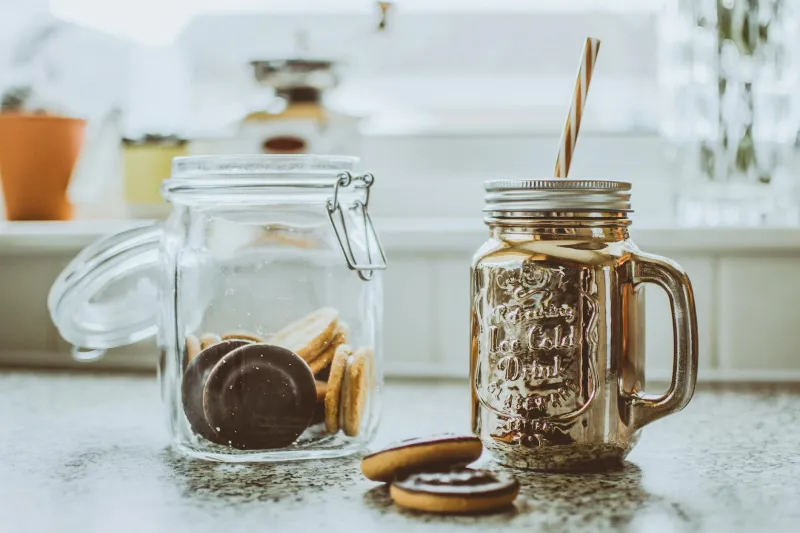
The Cloudy Glass That Started Every Morning
In the hollers of West Virginia and the mountains of North Carolina, before anyone had heard of kombucha or kefir, there was a morning ritual that would make today's wellness enthusiasts weep with envy. Appalachian homesteaders would wake up, milk their cows, separate the cream, churn their butter, press their cheese — and then drink what everyone else threw away.
That cloudy, slightly sour liquid left behind after cheese-making? They called it "the good stuff." And they were right in ways they probably never imagined.
What Happens When Nothing Goes to Waste
Whey — the watery byproduct of cheese and butter production — was never considered waste in mountain communities where every calorie mattered. While coastal families might have fed it to pigs or poured it out, Appalachian homesteaders had figured out something remarkable: if you let whey sit and ferment naturally, it transforms into something that tastes like a cross between buttermilk and a mild vinegar drink.
But here's where it gets interesting. These families weren't just being thrifty — they were accidentally creating one of the most effective probiotic beverages ever developed.
The process was deceptively simple. Fresh whey would be strained into clean mason jars and left on the kitchen counter for anywhere from three days to a week, depending on the temperature. Natural bacteria would begin the fermentation process, creating lactic acid and multiplying beneficial microorganisms. The result was a slightly effervescent, tangy drink that packed more probiotics per ounce than most of today's expensive wellness shots.
The Science They Never Knew They Were Doing
Modern food scientists have analyzed traditional whey fermentation and found something remarkable: the process creates an incredibly diverse microbiome. Unlike single-strain probiotic supplements, fermented whey contains dozens of beneficial bacteria strains, including several that are particularly effective at supporting digestive health.
The lactic acid fermentation also breaks down lactose, making it digestible for people who normally can't handle dairy. Mountain families often noted that even those who "couldn't take milk" could drink the whey without problems — they just didn't know why.
Even more surprising, the fermentation process concentrates certain B vitamins and creates new compounds that support immune function. Those Appalachian grandmothers who swore their morning whey kept them healthy through harsh winters? They weren't wrong.
The Recipe That Almost Disappeared
By the 1950s, as refrigeration became common and store-bought dairy products replaced home production, the tradition of whey drinking began to fade. Families moved off farms, bought their cheese from supermarkets, and lost the connection to this centuries-old practice.
The knowledge survived mainly in handwritten recipe collections passed down through families, tucked between instructions for preserving meat and making soap. Church cookbooks from rural communities occasionally included mentions of "whey drinks" or "sour whey tonics," but without context, most modern readers skipped right past them.
The Quiet Revival
Today, a small but growing community of fermentation enthusiasts has rediscovered whey drinks, often by accident. Some stumbled across old recipes while researching traditional foodways. Others discovered it through homesteading communities that never fully abandoned the practice.
Sarah Chen, a food historian in Asheville, North Carolina, started making whey drinks after finding her great-grandmother's recipe collection at an estate sale. "The first time I tried it, I was shocked," she says. "It tasted like expensive drinking vinegar, but with this incredible depth of flavor."
The modern approach often involves starting with high-quality, raw milk from local dairies, then following traditional fermentation methods. Some enthusiasts experiment with flavoring the whey with herbs or fruits before fermentation, creating variations that would have been familiar to mountain families who added wild berries or mint to their morning drinks.
Why We Stopped, and Why We're Starting Again
The decline of whey drinking wasn't just about changing lifestyles — it reflected a broader shift away from fermented foods in American culture. As pasteurization became standard and shelf-stable products dominated grocery stores, we lost touch with the living foods that had sustained previous generations.
But as research continues to reveal the importance of gut health and the microbiome, these old traditions suddenly look less like quaint folk practices and more like sophisticated biotechnology that happened to develop in mountain kitchens.
The irony isn't lost on modern practitioners: while we spend billions on probiotic supplements and functional beverages, Appalachian families had already perfected a system that turned waste into wellness, using nothing more than time, temperature, and the bacteria that naturally exist in their environment.
The Taste of Forgotten Wisdom
Fermented whey doesn't taste like modern probiotic drinks — it's more complex, with a sharpness that builds slowly and a subtle effervescence that tingles on the tongue. It's an acquired taste, but one that grows on you quickly, especially when you understand the tradition behind it.
For those curious enough to try making it, the process remains unchanged: start with fresh whey from cheese-making, strain it clean, and let time and bacteria do their work. The cloudy, slightly sour result might not look like much, but it carries the wisdom of generations who understood that the best medicine often comes disguised as everyday food.
In a world obsessed with the next superfood, sometimes the most powerful discoveries are hiding in the recipes our great-grandmothers never thought to write down.