The Clay Pot Revolution: How Mountain Families Created America's First Probiotic Foods by Accident
The Discovery That Started in a Dusty Attic
When food historian Sarah McKinney climbed into her great-grandmother's attic in eastern Kentucky, she wasn't expecting to find the future of gut health. But there, wrapped in yellowed newspaper from 1943, sat a collection of clay crocks with handwritten notes: "Bean starter - October batch" and "Winter beans - do not disturb until March."
Those cryptic notes led McKinney down a rabbit hole that would reveal one of America's most overlooked fermentation traditions. For generations, families scattered across Appalachian communities had been slow-fermenting dried beans in clay vessels, creating what modern nutritionists would recognize as powerful probiotic foods — decades before anyone knew what probiotics were.
The Method That Time Almost Forgot
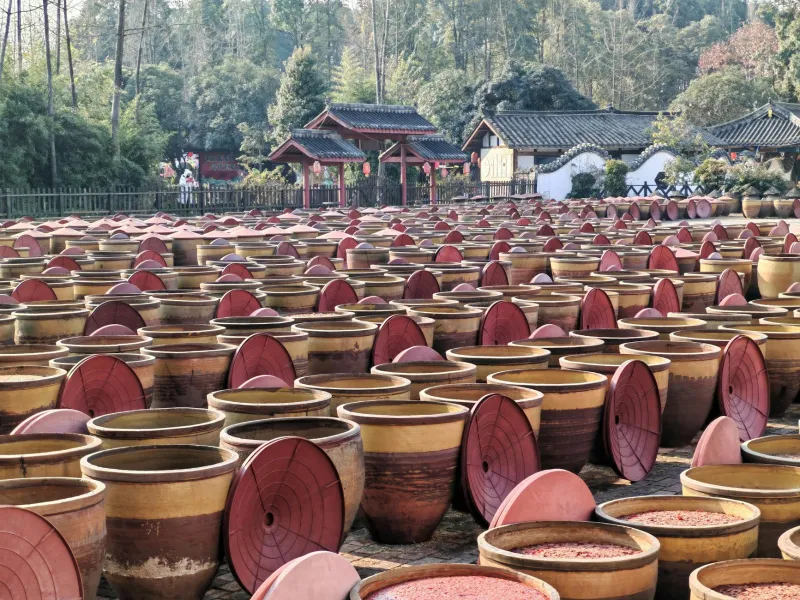
The process was deceptively simple, which might explain why it never made it into cookbooks. Families would soak dried beans — usually pintos, kidneys, or locally foraged varieties — then pack them into clay crocks with spring water and a pinch of salt. The crocks went into root cellars or cool corners of cabins, where they'd sit untouched for three to six months.
What happened next was pure biochemical magic. Wild yeasts and beneficial bacteria, naturally present on the bean skins and in the environment, would slowly transform the mixture. The beans developed a distinctive tangy flavor, somewhere between sourdough and aged cheese, while becoming incredibly easy to digest.
"My grandmother called it 'sour beans,' but she never explained the why behind it," says McKinney. "She just knew that a family could stretch a small amount of these fermented beans into hearty meals all winter long, and that kids who ate them regularly seemed to get sick less often."
The Science Hidden in Plain Sight
Modern food scientists studying McKinney's family recipes have found something remarkable. The slow fermentation process creates an environment rich in lactobacilli and other beneficial microorganisms — the same probiotic strains that health food stores charge premium prices for today.
Dr. Michael Torres, a fermentation specialist at the University of Georgia, analyzed samples from traditional Appalachian bean ferments and found bacterial diversity that rivals expensive kombucha or artisanal kimchi. "The clay vessels create the perfect anaerobic environment," he explains. "The beans provide complex carbohydrates that feed beneficial bacteria, while the long fermentation time allows for the development of incredibly diverse microbial communities."
The fermentation also breaks down compounds in beans that typically cause digestive discomfort, making them easier on the stomach than their fresh counterparts. In communities where access to fresh vegetables was limited during harsh mountain winters, these fermented beans provided both sustenance and digestive health support.
Why It Disappeared
The tradition began fading in the 1950s as refrigeration became more accessible and processed foods made their way into remote mountain communities. The knowledge was typically passed down through oral tradition between women in families, and as younger generations moved to cities for work, the chain of knowledge broke.
"Nobody wrote it down because everybody just knew how to do it," McKinney notes. "It was like knowing how to make biscuits or preserve vegetables. You learned by watching."
The rise of canned goods also made the months-long fermentation process seem unnecessarily complicated. Why wait half a year for beans when you could open a can?
The Quiet Revival
Today, a small but growing community of heritage food enthusiasts, fermentation hobbyists, and health-conscious cooks are rediscovering this lost art. Online forums dedicated to traditional preservation methods buzz with discussions about clay crock sources and fermentation timelines.
Restaurant chef Marcus Webb has been serving fermented bean dishes at his farm-to-table restaurant in Asheville, North Carolina, using recipes reconstructed from elderly community members. "The flavor is unlike anything else," he says. "It's umami-rich, tangy, and incredibly satisfying. Customers are always surprised that something so simple can taste so complex."
Bringing Bean Fermentation Home
For modern kitchens interested in trying this forgotten technique, the basics remain surprisingly accessible. Food-grade clay crocks can be found through pottery studios or online suppliers. The key is maintaining consistent cool temperatures — ideally between 55-65°F — which makes basements, garages, or even dedicated fermentation fridges ideal locations.
The process requires patience rather than skill. After the initial setup, the fermentation largely takes care of itself, requiring only occasional checks to ensure the beans remain submerged under their liquid.
McKinney has been documenting and teaching the technique through workshops, determined to prevent this knowledge from disappearing entirely. "These mountain families figured out something that modern science is just now understanding," she says. "They created probiotic foods using nothing but beans, water, salt, and time. That's worth preserving."
The Lesson in the Crock
The story of Appalachian bean fermentation reveals how much practical wisdom can hide in seemingly simple traditions. While modern society chases the latest superfood or probiotic supplement, these mountain communities had already solved the puzzle of gut health using resources available in any rural pantry.
Sometimes the most revolutionary discoveries aren't new at all — they're just waiting patiently in dusty attics, wrapped in old newspaper, ready to teach us something our ancestors knew all along.