Ghost Ingredients: The Five Kitchen Staples That Vanished From American Pantries Almost Overnight
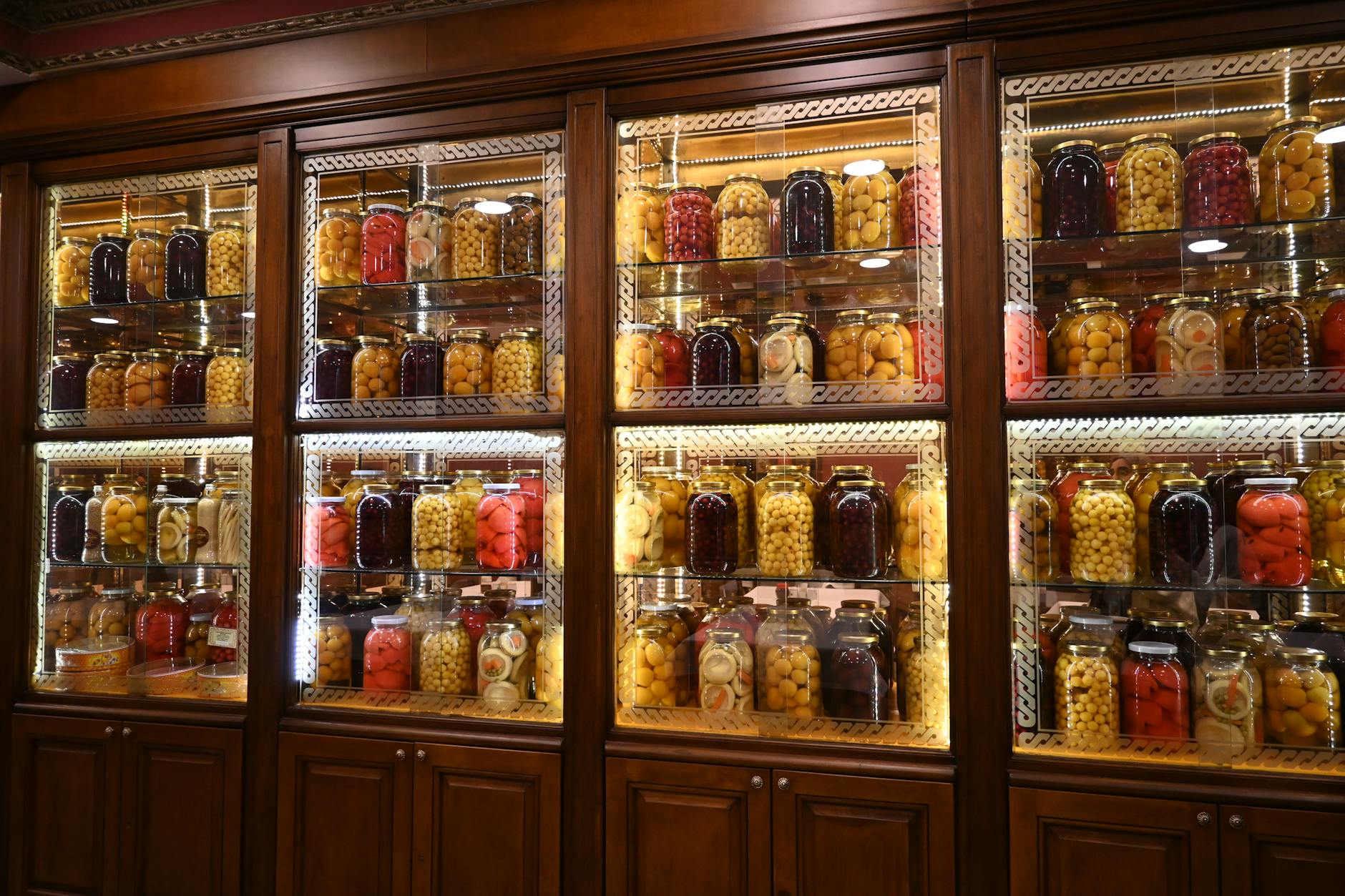
Ghost Ingredients: The Five Kitchen Staples That Vanished From American Pantries Almost Overnight
There's a version of American food history that never made it into cookbooks. Not the Julia Child era, not the farm-to-table revival, and definitely not whatever's trending on TikTok this week. This is the older story — the one that lived in root cellars and farmhouse kitchens before refrigerators, before shelf-stable packaging, before someone decided convenience was the whole point of eating.
Your great-grandparents had a pantry that looked almost nothing like yours. And some of what filled it was genuinely remarkable — flavorful, functional, and surprisingly sophisticated in ways that took food science decades to catch up with. Then, somewhere between the 1920s and the 1960s, most of it quietly disappeared.
Here are five ingredients that basically ghosted American kitchens — and why that's actually kind of a tragedy.
1. Switchel: The Original Sports Drink
Before Gatorade, before coconut water, before anyone was putting electrolytes in anything with a neon label, American farmers were drinking switchel. The recipe is almost insultingly simple: water, apple cider vinegar, ginger, and a sweetener — usually molasses or maple syrup. It was mixed in clay jugs and brought out to fields during harvest season, sometimes with a splash of rum if the day was particularly brutal.
What's wild is that switchel was genuinely good at what it claimed to do. The vinegar supplied potassium, the molasses added magnesium, and the ginger helped with digestion and nausea from heat exhaustion. Colonial-era workers drank it by the quart. George Washington reportedly kept a version of it on hand.
It faded out as commercial soft drinks flooded the market in the mid-20th century. Why make something when you could buy something? But switchel has been quietly resurging in fermentation communities and natural food circles for the past decade. A handful of small-batch bottlers now sell it at farmers markets. If you've never tried it, it tastes like a sharper, earthier lemonade — and it hits different on a hot afternoon.
2. Potted Meat Pastes (The Good Kind)
Not the stuff in the aluminum can at the gas station. Before that particular abomination existed, potted meats were a legitimate culinary tradition carried over from Britain and adapted across American kitchens through the 1800s. The technique involved slow-cooking meat — often duck, rabbit, or pork — until it was tender enough to pound into a smooth paste with butter and spices, then sealing it under a layer of clarified fat to preserve it.
The result was rich, deeply savory, and nothing like modern processed meat products. It was spreadable luxury for everyday people. Recipes varied wildly by region — some were spiced with mace and anchovy, others leaned on herbs and smoked salt.
Industrial canning effectively killed the homemade version by making preserved meat a product you purchased rather than prepared. But here's the thing: chefs have been reinventing potted meats under fancier names for years. Rillettes, pâté, duck confit spread — these are all essentially the same technique, just priced differently. The working-class original never needed the rebrand.
3. Ash-Cured Foods
This one sounds like something you'd find on a survival blog, but ash curing was a legitimate and widely practiced preservation technique in pre-industrial America, particularly in Appalachian and Southern communities. Wood ash — specifically the fine, white ash from hardwoods — was used to cure eggs, preserve vegetables, and even treat certain cuts of meat.
The chemistry behind it is real. Wood ash is highly alkaline, which inhibits bacterial growth and can extend the shelf life of perishables significantly. Ash-cured eggs, for instance, could last months without refrigeration. In parts of East Asia, century eggs are still made using a similar alkaline process.
The practice disappeared almost entirely in the US as refrigeration became standard. But a small number of heritage food researchers and forager communities have been revisiting ash curing as both a survival skill and a genuine flavor technique. Some chefs have started using food-grade ash as a finishing element — it adds a subtle mineral complexity that's hard to replicate any other way.
4. Lard (Before It Got a Bad Reputation)
Lard had a PR disaster in the 20th century, and it was largely manufactured. When vegetable shortening companies entered the market in the early 1900s, they ran aggressive campaigns positioning lard as old-fashioned and unhealthy. Crisco, famously, was marketed as "cleaner" than animal fat. The messaging worked spectacularly.
The irony is that traditional leaf lard — rendered from the fat surrounding a pig's kidneys — is actually high in oleic acid, the same monounsaturated fat found in olive oil. It makes pie crusts with a flakiness that vegetable shortening genuinely cannot replicate. Generations of bakers knew this. Then they forgot, or were told to forget.
Lard is making a slow, stubborn comeback. Heritage breed pork producers often sell leaf lard directly, and serious bakers have been quietly swapping it back into their pastry recipes. Once you make a pie crust with real lard, it's hard to go back.
5. Dried and Powdered Herb Vinegars
Before spice blends came in uniform jars, American cooks preserved fresh herb flavor through herb-infused vinegars — tarragon vinegar, elderflower vinegar, nasturtium vinegar — then reduced or dried them into concentrated pastes and powders used as seasoning bases throughout the year. It was a way of locking summer into a bottle and spending it slowly over winter.
The practice was common enough to appear in standard 19th-century household manuals. Then bottled condiments and dried spice mixes made the whole process feel unnecessary.
What's interesting is that flavor chemists now understand why these preparations worked so well. The acidic environment of vinegar extracts and preserves aromatic compounds in ways that simple drying doesn't. The resulting flavors were more complex, more rounded, and more shelf-stable than most modern equivalents.
The Pantry We Didn't Know We Were Losing
None of these ingredients vanished because they failed. They vanished because the food industry got very good at selling convenience, and convenience has a way of crowding out everything else. The strange comfort is that most of them never fully disappeared — they just went underground, kept alive by fermenters, heritage cooks, and the occasional Michelin-starred chef who discovered them and called them something French.
Your great-grandparents didn't need a food trend to tell them these things worked. They just used them. Maybe that's the most underrated food discovery of all.