Beans, Molasses, and the Great Lakes Captain Who Accidentally Created America's Comfort Food
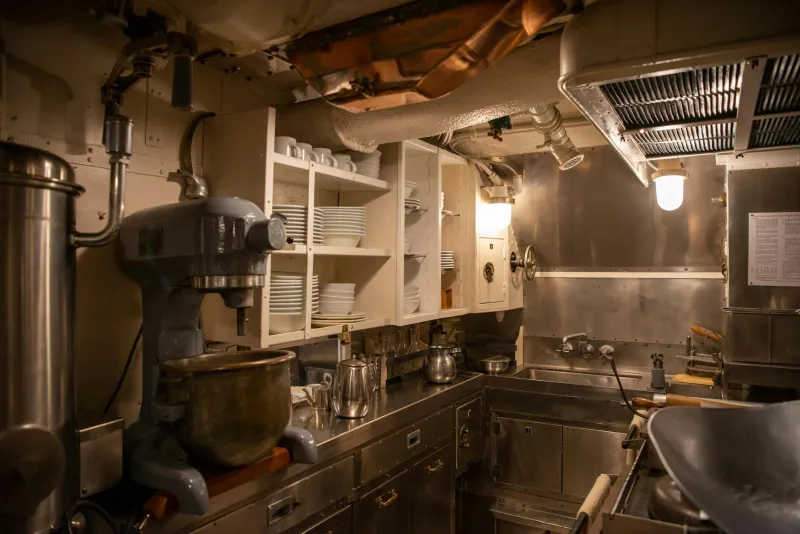
The Floating Kitchens Nobody Remembers
While most food historians focus on farmhouse cooking and immigrant traditions to explain Midwestern cuisine, they're missing a crucial piece of the puzzle: the Great Lakes shipping industry. For over a century, thousands of cargo ships carried iron ore, grain, and lumber across the inland seas, and their cooks were quietly developing a style of cooking that would influence home kitchens from Minnesota to Ohio.
 Photo: Great Lakes, via blog.ontarioparks.ca
These ship cooks faced challenges that would stump most modern chefs. They had to feed crews of 20-30 men using only non-perishable ingredients, no refrigeration, and galley kitchens barely larger than a modern walk-in closet. Storms could last for days, making cooking dangerous and resupply impossible. Yet somehow, they created meals that sailors remembered fondly for decades after they retired from the lakes.
The secret was in their approach to combining sweet and savory flavors — a technique born from necessity that accidentally created some of America's most beloved comfort foods.
When Molasses Met Salt Pork
Ship cooks started with the basics: salt pork, dried beans, flour, molasses, and whatever canned goods they could store in the ship's limited pantry space. These ingredients had to last for weeks at a time, through storms and temperature extremes that would spoil fresh food in hours.
But instead of simply boiling everything together into an edible mush, creative cooks began experimenting with flavor combinations that transformed these humble ingredients into something approaching fine dining. They discovered that molasses didn't just sweeten beans — it balanced the saltiness of preserved meat and created complex, caramelized flavors when cooked slowly in the ship's always-hot galley stove.
Salt pork wasn't just protein — it was a flavoring agent that could make simple beans taste rich and satisfying. Dried onions and garlic, stored in the ship's dry storage areas, added depth and complexity. The result was a style of cooking that emphasized balance: sweet against salty, rich against simple, hearty against refined.
The Innovation Engine
Great Lakes ships operated on tight schedules, but they also spent long periods anchored in ports, waiting to load or unload cargo. During these times, cooks would venture into port cities like Chicago, Detroit, and Duluth, trading recipes and techniques with other ship cooks and learning about local ingredients and cooking methods.
This constant exchange created a floating network of culinary innovation. A cook who discovered that maple syrup worked even better than molasses in certain dishes would share that knowledge with other cooks in port. Someone who figured out how to make decent bread in a ship's oven would teach the technique to anyone willing to listen.
The best ship cooks became legendary figures, known throughout the Great Lakes fleet for their ability to create memorable meals from basic ingredients. Captains would compete to hire these culinary artists, knowing that good food was essential for maintaining crew morale during long, difficult voyages.
From Ship to Shore
Many sailors eventually settled in Great Lakes port cities, bringing their cooking knowledge with them. Others married local women and taught them the techniques they'd learned on the ships. Gradually, the sweet-and-savory combinations that had been developed in ship galleys began appearing in home kitchens throughout the Midwest.
This influence shows up in dishes that most people assume are traditional farmhouse cooking. The classic combination of baked beans with molasses and salt pork? That's ship galley cooking. The Midwestern tendency to add a touch of sweetness to meat dishes? Same source. Even the region's love affair with casseroles can be traced back to ship cooks who learned to create one-pot meals that could feed large crews efficiently.
The timing was perfect. The Great Lakes shipping industry reached its peak during the same period when the Midwest was being settled by waves of immigrants from Europe. These new Americans were looking for ways to adapt their traditional cooking to available ingredients and local tastes. The flavor combinations developed by ship cooks provided a template that felt both familiar and distinctly American.
The Lost Art of Galley Cooking
By the 1960s, changes in shipping technology had transformed Great Lakes vessels. Modern ships carried smaller crews, used different cargo handling methods, and relied on shore-based food services instead of onboard cooks. The tradition of ship galley cooking largely disappeared, taking with it a unique body of culinary knowledge.
Today, most of the Great Lakes fleet consists of highly automated bulk carriers that dock frequently enough to resupply with fresh food. The days of cooks creating magic from molasses and salt pork are over, but their influence lives on in every Midwestern potluck dinner and church basement supper.
The Flavor Legacy
The next time you taste a classic Midwestern dish — whether it's baked beans at a summer barbecue, a sweet-and-tangy casserole at a potluck, or any of the dozens of comfort foods that define the region's cuisine — you're experiencing the legacy of Great Lakes ship cooks. These forgotten culinary innovators, working in cramped galleys with limited ingredients, accidentally created a flavor profile that millions of Americans now consider the taste of home.
Their story reminds us that American cuisine wasn't just shaped by immigrants bringing recipes from the old country or farmers cooking with local ingredients. Sometimes the most influential cooking happened in the most unlikely places, created by people whose names we'll never know but whose innovations continue to feed us more than a century later.