Before Sourdough Ruled the Bay: The Italian Fishing Fleet That Actually Built San Francisco's Food Scene
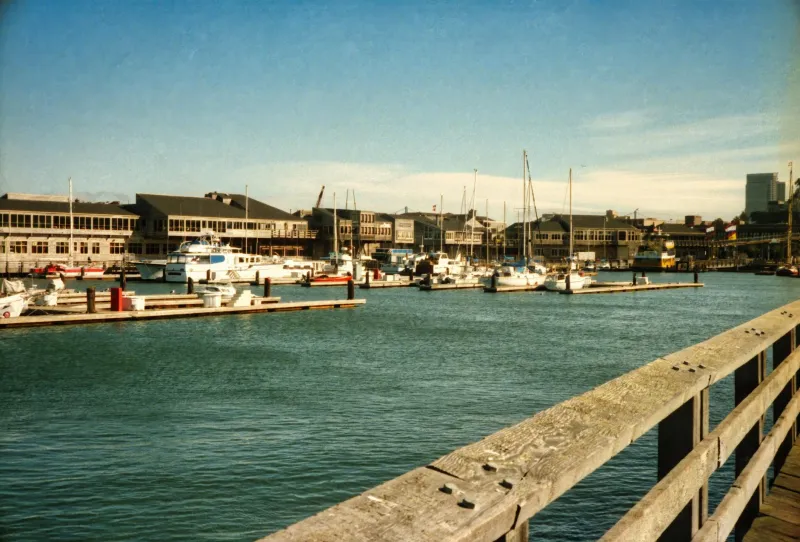
Before Sourdough Ruled the Bay: The Italian Fishing Fleet That Actually Built San Francisco's Food Scene
Everyone knows about San Francisco sourdough. It's practically a law that you can't visit the city without posing next to a bread bowl at Fisherman's Wharf. But here's what the tourist guides don't tell you: decades before sourdough became the city's edible mascot, a community of Italian fishermen had already built the foundation of what we now call California coastal cuisine.
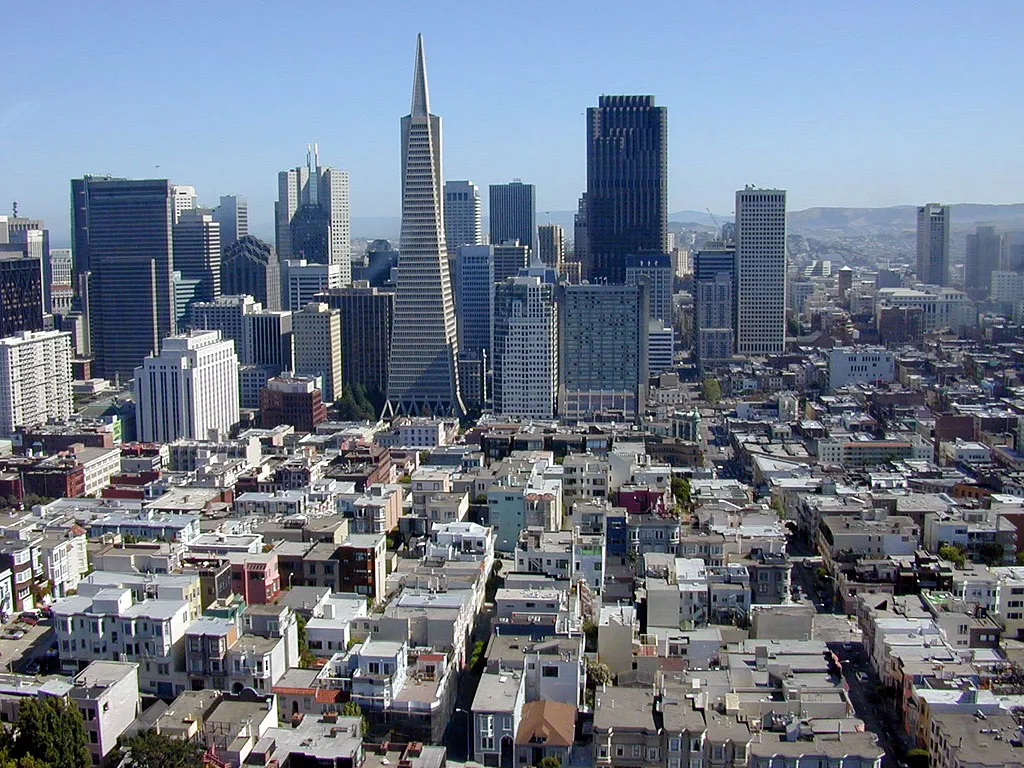 Photo: San Francisco, via 2.bp.blogspot.com
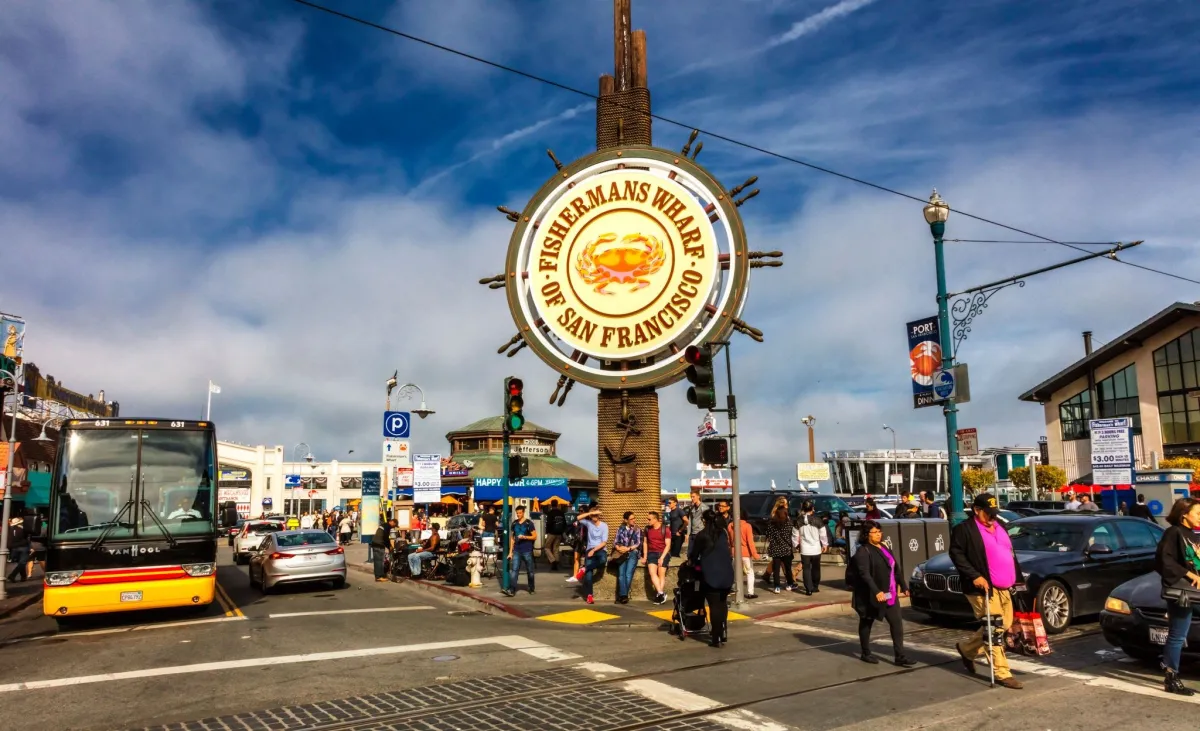 Photo: Fisherman's Wharf, via cdn.forevervacation.com
These weren't restaurant owners or celebrity chefs. They were working-class immigrants from Genoa who arrived in San Francisco during the 1850s Gold Rush — not to pan for gold, but to feed the miners flooding into the city. What they created along the waterfront would quietly influence West Coast eating habits for generations.
The Floating Market Nobody Talks About
While everyone else was chasing gold in the Sierra Nevada, the Genoese fishermen were pulling treasure from the bay. Every morning before dawn, their distinctive lateen-rigged boats — called feluccas — would return from overnight fishing trips loaded with Dungeness crab, salmon, and rockfish.
But here's where it gets interesting: they didn't just sell their catch wholesale. Instead, they created something that had never existed in America — a European-style fish market right on the docks. Fishermen would tie their boats directly to the wharf and sell fresh seafood straight from the boat to anyone who walked by.
This wasn't just convenient. It was revolutionary. Most American cities at the time got their seafood through middlemen, often days old by the time it reached consumers. The Italian fishermen cut out every step between ocean and plate, creating the freshest seafood market on the West Coast.
The Accidental Birth of California Seafood Culture
The real magic happened when these fishermen started cooking for themselves and their families. Working long hours on the water, they needed hearty, warming meals that could feed a crowd without breaking the bank. So they did what Genoese fishermen had done for centuries — they made cioppino.
But this wasn't the restaurant version you know today. The original cioppino was whatever the day's catch brought in, simmered in a tomato base with wine, garlic, and herbs. Different boats meant different versions. Some days it was mostly crab and salmon. Other days, rockfish and mussels dominated the pot.
The Italian wives and mothers began selling bowls of this "fisherman's stew" to dockworkers and curious locals. Word spread. Soon, people were making special trips to the wharf not just to buy fresh fish, but to eat these incredible seafood stews that tasted like nothing else in America.
The Dungeness Dynasty
Maybe the most lasting impact came from how these fishermen handled Dungeness crab. Before the Italians arrived, most Americans ignored these large, sweet crabs. They were harder to crack than East Coast blue crabs, and nobody really knew what to do with them.
The Genoese fishermen changed everything. They introduced the practice of cooking whole crabs in large pots of seasoned water right on the docks, then selling them hot and ready to eat. They taught customers how to crack the shells properly, how to extract every bit of sweet meat, and most importantly — how to appreciate the pure, oceanic flavor of fresh Dungeness.
This wasn't just about selling seafood. It was cultural education. The Italian fishermen were teaching San Francisco how to eat like a coastal city.
The Blueprint That Built a Movement
By the 1880s, what started as a necessity for working fishermen had become the template for California's entire approach to seafood. The emphasis on absolute freshness, simple preparation that highlighted natural flavors, and the direct connection between fisherman and consumer — these principles would eventually influence everything from Berkeley's farm-to-table movement to the California cuisine revolution of the 1970s.
Alice Waters gets credit for connecting diners with their food sources, but the Italian fishermen of San Francisco had been doing exactly that for over a century. They just happened to be working-class immigrants instead of celebrated chefs, so their contribution got overlooked.
Why This Story Matters Now
Today, as restaurants scramble to prove their local sourcing credentials and "boat-to-table" becomes the newest trend, it's worth remembering that this approach isn't new or trendy. It's how food worked for generations of immigrant communities who couldn't afford to be wasteful or pretentious.
The next time you're cracking into Dungeness crab or savoring a bowl of cioppino anywhere along the California coast, you're tasting the legacy of those Genoese fishermen who quietly built San Francisco's food culture one boat, one pot, and one perfectly fresh catch at a time.
They never got the fame that sourdough achieved, but their influence runs much deeper. They didn't just feed a city — they taught it how to eat.