The Kitchen Scrap Cure: How Mountain Folk Turned Fruit Waste Into Nature's Strongest Medicine
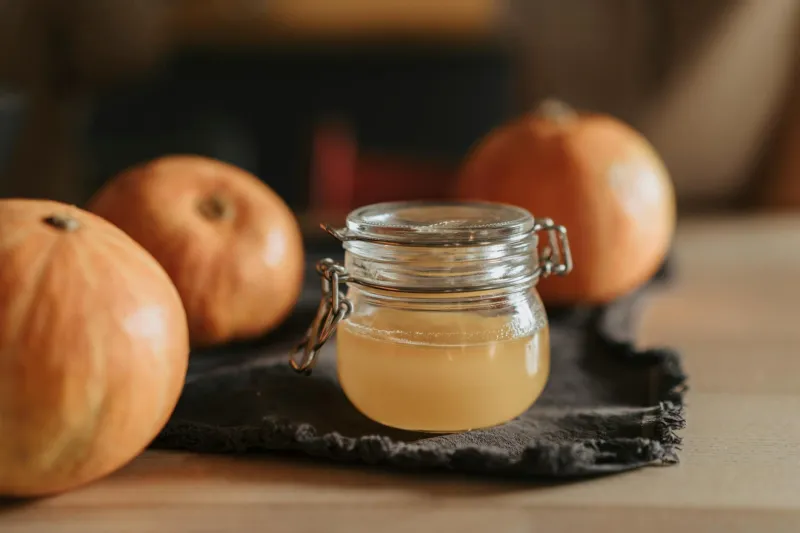
The Medicine Cabinet That Grew From Garbage
Walk into any health food store today, and you'll find rows of apple cider vinegar promising everything from weight loss to clearer skin. But tucked away in the mountains of Tennessee and West Virginia, a handful of old-timers will tell you that what you're buying is child's play compared to what their grandmothers kept bubbling on the back porch.
They called it "mother vinegar," and it wasn't made from whole apples or carefully selected fruit. Instead, mountain families took what everyone else threw away — gnarly peach pits, browning apple cores, tough persimmon skins, and even grape stems — and transformed them into a living, breathing medicine that could knock out a sore throat faster than anything from the pharmacy.
When Nothing Goes to Waste
The practice emerged from pure necessity. In the isolated hollers of Appalachia, families couldn't afford to waste a single scrap of food, especially during the lean months between harvests. While city folks were tossing fruit scraps into the compost, mountain homesteaders discovered that these "worthless" pieces contained some of the most potent nutrients.
"My grandmother would save every apple core, every peach pit, every bit of fruit that looked too rough to eat," recalls Martha Henderson, a third-generation Tennessee homesteader who still makes mother vinegar the old way. "She'd tell us the medicine was hiding in the parts we didn't want to eat."
The process was deceptively simple. Fruit scraps went into wide-mouth jars with nothing but water and a pinch of raw honey or maple syrup to feed the wild yeasts. No fancy starters, no temperature controls — just time, patience, and the natural bacteria that lived on the fruit skins.
The Living Brew That Fought Back
What made this mountain vinegar different wasn't just the ingredients — it was the process. While commercial vinegars are pasteurized and filtered until they're sterile, mother vinegar stayed wild and alive. The thick, cloudy "mother" that formed on top wasn't filtered out; it was the prize.
This gelatinous blob contained concentrated probiotics, enzymes, and beneficial bacteria that had been feeding on fruit sugars for months. One tablespoon mixed with water could settle an upset stomach. A gargle could clear up throat infections. Some families even used it as a wound wash, claiming it prevented infection better than anything else they had.
"The government health inspector would have had a heart attack if he'd seen our setup," laughs Jim Crawford, whose family ran a small general store in rural West Virginia. "But we never had sick kids like the folks in town did."
Why Store-Bought Can't Compete
Modern research is starting to catch up with what mountain families knew instinctively. The fruit scraps they used — especially peach pits and apple cores — contain higher concentrations of certain compounds than the flesh. Peach pits are loaded with amygdalin, apple cores contain concentrated pectin, and persimmon skins pack more tannins than the fruit itself.
When these compounds ferment slowly over months, they create a complex ecosystem of beneficial microorganisms that simply can't exist in the controlled, sterile environment of commercial production. The wild yeasts and bacteria that naturally occur on fruit skins vary by region, season, and even individual trees, creating unique flavor and medicinal profiles that no factory can replicate.
"Each batch was like a fingerprint," explains Sarah Mitchell, a food historian who's been documenting traditional Appalachian preservation methods. "The vinegar made from apples growing in a hollow would be completely different from one made just over the ridge."
The Quiet Revival
While most of America forgot about mother vinegar, a small community of modern homesteaders has been quietly bringing it back. They're not motivated by nostalgia — they're driven by results.
Tom Bradley, a former pharmaceutical researcher who moved to rural Tennessee five years ago, started making mother vinegar after his store-bought probiotics stopped working. "I was spending $50 a month on supplements," he says. "Now I make something more effective from what used to go in my compost bin."
The revival isn't happening in trendy urban markets or wellness blogs. Instead, it's spreading through homesteading forums, farmer's markets, and word-of-mouth recommendations from people who've experienced the difference firsthand.
Bringing Back the Mother
For those curious enough to try, the process remains unchanged from what mountain families did a century ago. Save fruit scraps in the freezer until you have enough to fill a quart jar. Cover with filtered water, add a tablespoon of raw honey, and wait. In a few weeks, you'll see bubbles. In a few months, you'll have a thick mother floating on top of dark, complex vinegar that tastes like no bottle you've ever bought.
The beauty lies in its simplicity and the fact that it costs almost nothing to make. More importantly, it connects us to a time when medicine and food weren't separate categories — when the same kitchen that fed the family also kept them healthy.
In an age of expensive supplements and processed wellness products, maybe it's time we remembered what the mountain folk never forgot: sometimes the most powerful medicine grows from what we're about to throw away.