Delta Blues, Hot Tamales, and the Food Mystery That's Stumped Historians for 100 Years
The Tamale That Doesn't Make Sense
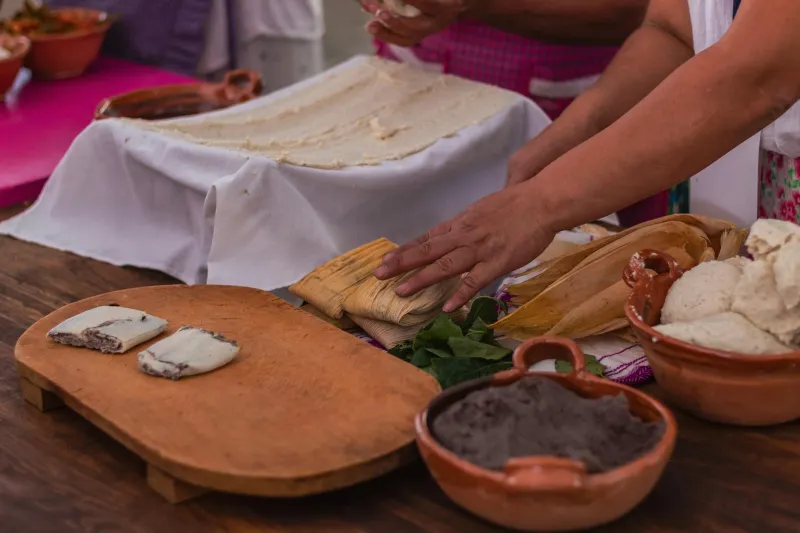
Drive through any small town in the Mississippi Delta and you'll find them: hand-lettered signs advertising "Hot Tamales" from roadside stands, gas stations, and church fundraisers. But these aren't the corn-husk wrapped tamales you'd find in Mexico or Los Angeles. These are smaller, spicier, and served floating in a red-hot broth that locals simply call "the juice."
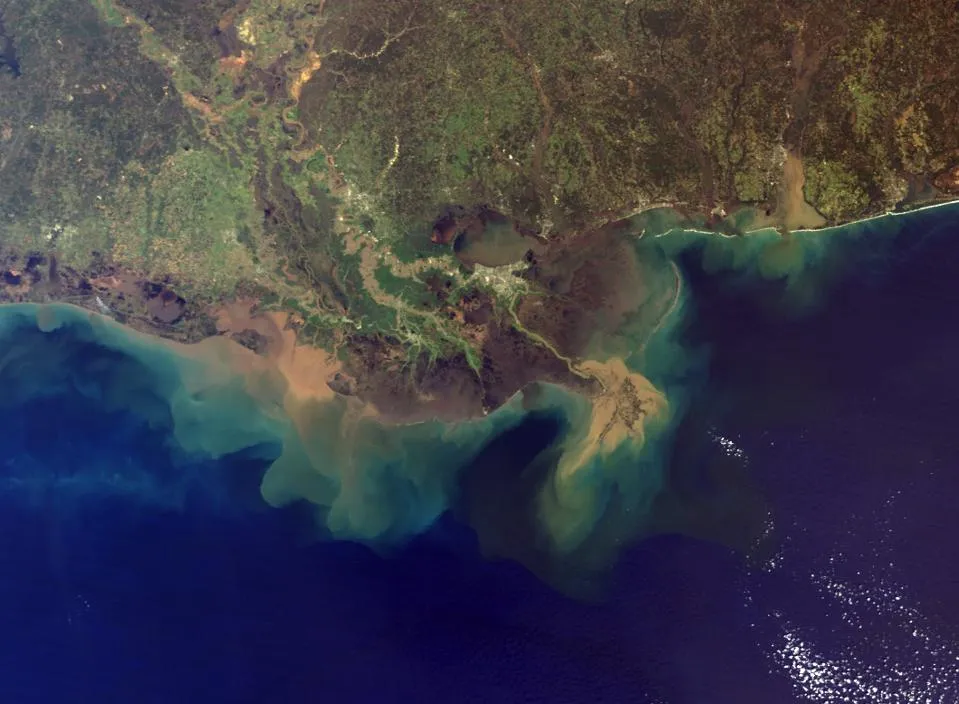 Photo: Mississippi Delta, via specials-images.forbesimg.com
What makes this food tradition so puzzling is that it exists nowhere else in the American South. You won't find Delta-style tamales in New Orleans, Atlanta, or even Memphis. They're concentrated almost exclusively in a handful of counties along the Mississippi River, where they've been a cornerstone of Black Southern food culture since at least the 1920s.
Food historians have been trying to solve the mystery of how tamales ended up in the Mississippi Delta for decades, and the more they dig, the stranger the story becomes.
The Railroad Theory (And Why It Doesn't Add Up)
The most popular explanation points to Mexican railroad workers who came north to build and maintain the Illinois Central Railroad lines that crisscrossed the Delta in the early 1900s. According to this theory, Mexican workers shared their tamale-making techniques with local Black families, who adapted the recipe using available ingredients.
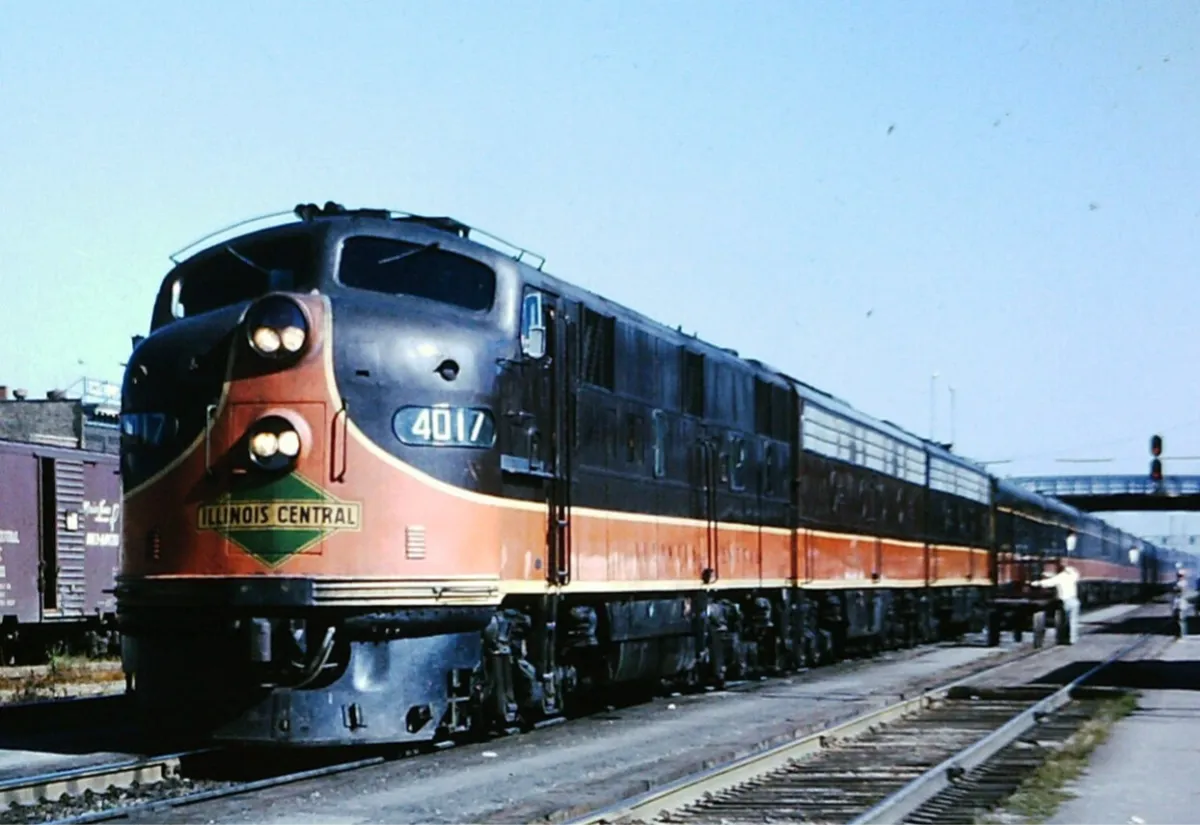 Photo: Illinois Central Railroad, via primary.jwwb.nl
It's a neat story, but it has problems. For one thing, the Illinois Central employed relatively few Mexican workers in Mississippi compared to other states. For another, traditional Mexican tamales and Delta tamales are so different in preparation, ingredients, and serving style that calling them the same dish is like saying pizza and flatbread are identical.
Delta tamales use a cornmeal mixture that's more like polenta than masa, they're boiled instead of steamed, and they're always served in a spicy liquid that has no equivalent in Mexican cuisine. If Mexican railroad workers were the source, why didn't similar tamale traditions develop along other railroad lines throughout the South?
The Cotton Connection
A more intriguing theory emerges when you look at the Delta's cotton economy. During the early 1900s, the region's plantations employed seasonal workers from across the South and beyond, creating a melting pot of food traditions that mixed in labor camps and boarding houses.
Some food historians believe Delta tamales evolved from a combination of Mexican influences (possibly from Texas cotton workers who migrated east) and traditional Southern ingredients and cooking methods. The result was something entirely new: a food that borrowed the concept of masa and meat wrapped in corn husks but transformed it using local tastes and available ingredients.
This theory explains why Delta tamales taste more like Southern comfort food than Mexican cuisine. The spice blend reflects African American seasoning traditions, the cooking method resembles techniques used for other boiled Southern dishes, and the communal serving style fits the social patterns of Delta communities.
The Underground Economy
By the 1940s and 1950s, tamale-making had become a crucial part of the Delta's informal economy. Black families who were excluded from most mainstream businesses found they could make a living selling tamales from their homes, at juke joints, and during community gatherings.
The tamale trade operated largely outside official channels, passed down through families and tight-knit networks of women who guarded their recipes and techniques. This underground status helped preserve the tradition but also made it nearly invisible to outside observers, which is why so few written records exist about its origins and development.
Tamale vendors developed their own culture and customs. Many worked from converted school buses or small trailers, moving from town to town following cotton harvests, construction projects, and community events. Others established regular spots on street corners or outside factories, building loyal customer bases who knew exactly when and where to find their favorite tamale lady.
What Makes Them Delta
Delta tamales have evolved into something distinctly regional and uniquely American. The cornmeal dough is typically seasoned with black pepper and salt, then filled with a mixture of ground beef or pork that's been cooked with onions, garlic, and a blend of spices that varies from family to family. The tamales are wrapped in corn husks and boiled in large pots of seasoned water that becomes the "juice" — a spicy, flavorful broth that's considered just as important as the tamales themselves.
The serving ritual is as important as the food. Tamales are traditionally eaten with the fingers, dipped in the juice between bites, and accompanied by saltine crackers. It's communal food, meant to be shared and enjoyed in groups, often with cold beer and live music.
The Mystery Continues
Today, Delta tamales remain largely unknown outside their home region, but they're experiencing a quiet renaissance as food writers and chefs discover this hidden piece of American food culture. A few restaurants in Jackson, Memphis, and even Chicago now serve Delta-style tamales, introducing them to new audiences who are often surprised by how different they taste from Mexican versions.
But the mystery of their origins remains unsolved. Perhaps that's fitting for a food tradition that developed in the shadows of the official economy, preserved by communities that had to be creative and resourceful to survive. The Delta tamale isn't just a food — it's evidence of how American cuisine really develops, through the mixing and adaptation that happens when different cultures meet in unexpected places.