The Prairie Fire That Never Left the Kitchen: How Farm Women Created America's First Homemade Heat
The Prairie Fire That Never Left the Kitchen: How Farm Women Created America's First Homemade Heat
Walk through any grocery store today and you'll find an entire aisle dedicated to hot sauce. Tabasco, Sriracha, Frank's RedHot — brands that have become household names. But long before Edmund McIlhenny started aging peppers on Avery Island, there was another hot sauce revolution happening in the most unlikely place: the farmhouse kitchens of the American Midwest.
In states like Iowa, Ohio, and Missouri, where corn and wheat dominated the landscape, resourceful farmwives were quietly fermenting pepper mashes in ceramic crocks, creating fiery condiments that would make today's hot sauce enthusiasts weep with joy. This wasn't just cooking — it was culinary alchemy born from necessity and perfected through generations of trial and error.
The Crock Revolution Nobody Remembers
The story begins in the late 1800s, when farm families faced a familiar problem: how to preserve the pepper harvest before winter set in. While coastal regions had access to salt for pickling and trade routes for spices, Midwestern farmers had to get creative with what they had on hand.
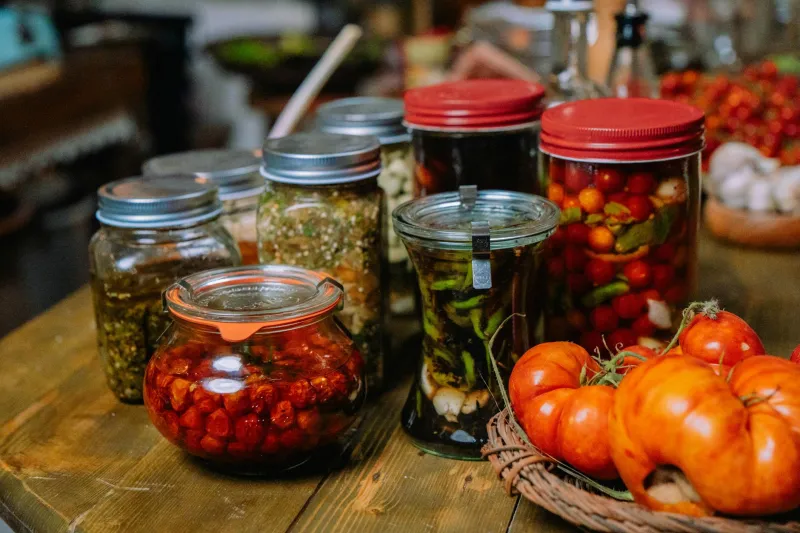
Enter the fermentation crock — a ceramic vessel that would become the secret weapon of prairie cooking. Farm women would stuff these crocks with hot peppers, salt, and whatever vegetables needed preserving, then let time and beneficial bacteria work their magic.
"My grandmother kept three crocks going at all times," recalls Martha Henderson, whose family farmed in southern Iowa for four generations. "One was always ready to eat, one was fermenting, and one was being prepared for the next batch. She called it her 'insurance policy' against bland winter meals."
Unlike the vinegar-based hot sauces that would later dominate the market, these farmhouse ferments were alive — literally teeming with beneficial bacteria that not only preserved the peppers but created complex, tangy flavors that industrial processing could never replicate.
The Science Behind the Spice
What these farm women stumbled upon was essentially the same lacto-fermentation process that creates kimchi, sauerkraut, and other cultured foods. By creating an anaerobic environment with salt and time, they encouraged the growth of beneficial Lactobacillus bacteria while preventing harmful microorganisms from taking hold.
The result was a condiment that was not only fiery hot but also deeply complex — funky, sour, and alive in ways that modern hot sauces rarely achieve. The fermentation process also broke down the peppers' cell walls, making the capsaicin more bioavailable and creating a heat that built slowly rather than hitting you like a brick wall.
"These women were basically creating probiotic hot sauce before anyone knew what probiotics were," explains food historian Dr. Sarah Mitchell. "They were solving multiple problems at once: preservation, nutrition, and flavor."
County Fair Fame and Kitchen Secrets
By the early 1900s, these homemade pepper ferments had become legendary at county fairs across the Midwest. Competition was fierce, and recipes were closely guarded family secrets passed down through generations of women.
Newspaper clippings from the 1910s tell of "Mrs. Kowalski's Famous Fire Water" taking first prize at the Ohio State Fair three years running, and "Widow Thompson's Prairie Lightning" causing such a stir at the Iowa State Fair that visitors lined up for hours just to taste a spoonful.
But these women weren't just competing for ribbons — they were documenting an entire culinary tradition through handwritten recipe cards, letters to relatives, and margin notes in well-worn cookbooks. Unfortunately, most of these records remained in family collections, never making it into official food histories or commercial production.
The Great Disappearing Act
So what happened to this thriving tradition of homemade heat? The answer lies in the same forces that transformed American food production in the early 20th century: industrialization, urbanization, and the rise of national brands.
As families moved from farms to cities, they lost access to both the peppers and the knowledge needed to maintain fermentation crocks. Meanwhile, companies like Tabasco were perfecting mass production techniques and distribution networks that could put their products on every grocery store shelf.
"It's the classic story of industrial food replacing regional traditions," notes culinary anthropologist James Morrison. "What took generations to develop could be wiped out in a single generation by convenience and marketing."
The final blow came during World War II, when rationing and victory gardens shifted focus away from traditional preservation methods toward newer canning and freezing techniques that seemed more modern and efficient.
Rediscovering the Lost Art
Today, a small but growing number of food enthusiasts are rediscovering the art of pepper fermentation, inspired by the same principles that guided those Midwestern farmwives more than a century ago. Fermentation workshops are popping up in urban areas, and artisanal hot sauce makers are returning to traditional methods.
But the original prairie fire tradition — with its specific blend of practicality, creativity, and fierce local pride — remains largely forgotten. The women who perfected these techniques never got their names on bottles or their stories in food magazines. They were too busy feeding their families and surviving the harsh realities of farm life to document their innovations for posterity.
The Heat That Time Forgot
The next time you reach for a bottle of hot sauce, remember that somewhere in a forgotten farmhouse kitchen, a woman with calloused hands and an iron stomach was probably making something better. She didn't have marketing budgets or distribution deals, but she had something more valuable: the knowledge that good food takes time, patience, and just the right amount of fire.
That tradition may be gone, but its spirit lives on in every home fermenter who dares to trust in salt, time, and the transformative power of beneficial bacteria. The prairie fire may have died out, but its embers are still glowing, waiting for the right person to fan them back to life.