This Ancient Desert Brew Has Been Good for Your Gut Since Before Kombucha Was Even a Concept
This Ancient Desert Brew Has Been Good for Your Gut Since Before Kombucha Was Even a Concept
Walk into any Whole Foods in America right now and you'll find an entire refrigerated wall dedicated to fermented beverages. Kombucha in a dozen flavors, kefir waters, probiotic sodas with names that sound like Scandinavian ski resorts. The pitch is always the same: ancient wisdom, living cultures, gut health. The thing is, if you really want ancient, you're looking at the wrong shelf — and probably the wrong continent.
Mexico and the American Southwest have been home to fermented drink traditions that predate kombucha's origins by centuries, and some of the most fascinating ones are barely known outside the communities that kept them alive. We're talking about pulque, tepache, and a handful of lesser-discussed regional brews that Indigenous and mestizo communities have been refining since roughly 1000 CE — and in some cases, much longer.
What Is Pulque, Exactly?
Start with pulque, because it's the one with the longest paper trail. Made from the fermented sap of the agave plant — specifically the aguamiel, or "honey water," drawn from the plant's core — pulque has been consumed in central Mexico since at least the Aztec period, and archaeological evidence suggests its use stretches back considerably further. Spanish colonizers documented it in the 16th century with a mixture of fascination and alarm. It was ceremonial, communal, and deeply embedded in daily life.
The drink itself is milky white, slightly viscous, and mildly alcoholic — typically around 4 to 6 percent ABV, about the range of a light beer. But alcohol content isn't really the point. Pulque is packed with beneficial bacteria, B vitamins, vitamin C, and a complex of proteins and sugars that make it genuinely nutritious in a way that most modern fermented beverages only approximate. Traditional pulquerías in Mexico City still serve it fresh, because pulque doesn't travel well — it keeps fermenting and turns sour quickly, which is part of why it never made the leap into mass-market bottling the way beer and tequila did.
Tepache: The One That's Actually Crossing Over
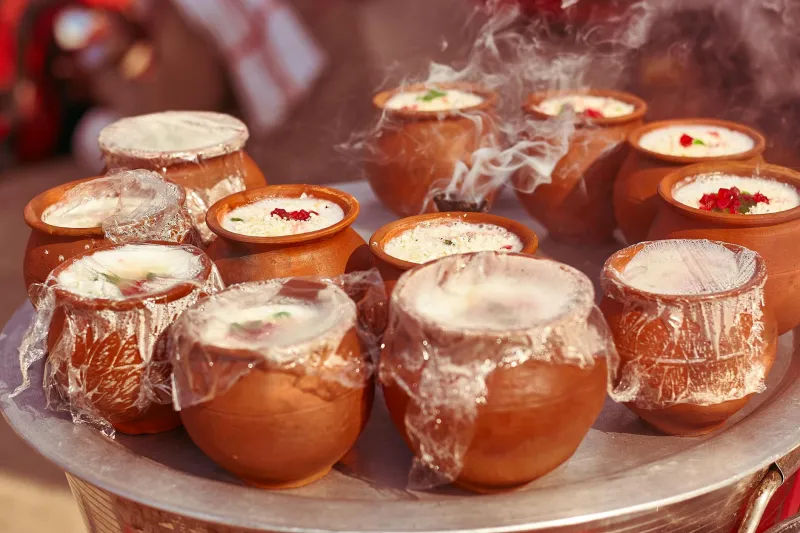
If pulque is the elder statesman, tepache is the one making moves in the American market right now. Traditionally made from fermented pineapple rinds, piloncillo (unrefined cane sugar), and warm spices like cinnamon and clove, tepache has been a street-side staple in Mexico for generations — sold from clay pots, consumed in small cups, and made fresh every few days in home kitchens across the country.
The fermentation process is short, usually just two to three days, and the result is a lightly fizzy, pleasantly tart drink with a complexity that most commercial sodas can't touch. The live cultures present in traditionally made tepache are legitimately probiotic, and the pineapple itself contributes bromelain, an enzyme with anti-inflammatory properties that researchers have been studying for years.
A small but growing number of US producers — brands like Tio Gazpacho and De La Calle — have started bringing tepache to American grocery shelves, and the reception has been strong enough to suggest this isn't a trend that's going away. It's landing particularly well with the same consumers who drove the kombucha wave, which makes sense: the flavor profile is approachable, the health story is compelling, and the cultural backstory is genuinely interesting.
The Desert Cousins You Haven't Heard Of
Beyond pulque and tepache, there's a whole ecosystem of regional fermented drinks that have mostly flown under the radar even within the fermentation community. Colonche, made from the fermented juice of prickly pear cactus, has been produced in the Chihuahuan and Sonoran deserts for centuries and carries a vivid crimson color and a tart, earthy flavor profile. Tesgüino, a corn-based fermented drink made by the Rarámuri (Tarahumara) people of the Sierra Madre, is more like a thin, fermented porridge than a beverage in the conventional sense, but it serves important nutritional and ceremonial functions in communities where it's still made.
These drinks aren't just curiosities. They represent sophisticated fermentation knowledge developed over generations, optimized for the specific plants, water, and climatic conditions of the desert Southwest. Food scientists studying traditional fermentation have noted that the microbial profiles of these drinks are distinct from what you'd find in European or East Asian fermentation traditions — meaning they may offer different probiotic strains that modern gut-health research hasn't fully characterized yet.
Why the Modern Market Is Finally Paying Attention
The timing of this renewed interest isn't coincidental. As the American gut-health market has exploded — it's projected to exceed $10 billion by 2027 — researchers and entrepreneurs alike have started looking beyond the familiar roster of fermented foods for what else might be out there. Ancient traditions that survived for a thousand years without refrigeration or industrial processing have a way of looking pretty smart in retrospect.
There's also a cultural reclamation dimension worth acknowledging. Many of these drinks were suppressed or marginalized during the colonial period, when Spanish authorities attempted to limit pulque consumption and push European-style alcohol production. The communities that kept these traditions alive did so quietly, in home kitchens and local markets, largely outside the reach of the commercial food system. That the broader American food culture is now discovering them feels, to many in those communities, like something that's about 500 years overdue.
The wellness industry will probably put a sleek label on it and charge $7 a bottle. But the drink itself? It was always there. You just had to know where to look.