The Secret Seed Society: How Backyard Gardeners Saved America's Vegetables While Nobody Was Watching
The Secret Seed Society: How Backyard Gardeners Saved America's Vegetables While Nobody Was Watching
In 1903, American gardeners could choose from 307 varieties of sweet corn. By 1983, only 12 of those varieties were still available through commercial seed companies. This wasn't an accident — it was the inevitable result of industrial agriculture's march toward efficiency and uniformity. But while big agriculture was busy standardizing America's food supply, something remarkable was happening in backyards, church basements, and community centers across the country.
A loose network of gardeners, seed savers, and small-town librarians was quietly engaged in an act of agricultural rebellion. They were preserving the very plant varieties that commercial growers were abandoning, passing them along through informal networks that operated completely outside the official seed industry. Today, food historians are recognizing this grassroots preservation movement as one of the most important — and overlooked — conservation efforts in American history.
The Great Narrowing
To understand why this underground network mattered so much, you need to understand what America was losing. Throughout the 19th and early 20th centuries, regional seed companies offered thousands of vegetable varieties adapted to local growing conditions and cultural preferences. Italian immigrants brought their paste tomatoes. German settlers carried their storage cabbages. Mexican communities maintained their drought-resistant beans.
Each region, each ethnic community, each family farm developed vegetables that worked perfectly for their specific needs. A tomato variety that thrived in humid Georgia summers. A lettuce that could handle Minnesota winters. A squash that stored well in root cellars through long mountain winters.
But as agriculture industrialized after World War II, this diversity became a liability. Commercial growers needed varieties that could be mechanically harvested, shipped long distances, and stored for weeks without spoiling. Flavor, nutrition, and local adaptation took a backseat to shelf life and uniform appearance.
One by one, the old varieties disappeared from commercial catalogs. Seed companies consolidated, focusing on fewer varieties that could serve larger markets. By the 1970s, agricultural scientists were sounding alarms about genetic erosion — the rapid loss of crop diversity that had taken centuries to develop.
The Kitchen Table Conspiracy
But while agricultural scientists were writing papers about genetic erosion, American gardeners were doing something about it. In church fellowship halls, garden club meetings, and neighborhood coffee klatches, people were sharing more than recipes and growing tips. They were sharing seeds.
This wasn't organized or official. There was no central database, no scientific protocol, no government funding. It was just gardeners doing what gardeners have always done — sharing what worked with people they cared about.
Mrs. Henderson in Iowa would save seeds from her grandmother's yellow pear tomatoes and share them with her daughter in California. The Italian-American community in South Philadelphia kept growing their traditional paste tomatoes, sharing seeds through family networks that stretched back to the old country. Native American communities continued cultivating traditional varieties of corn, beans, and squash that had been grown in North America for thousands of years.
The Church Basement Archives
Some of the most important seed preservation happened in the most unlikely places. Rural churches, community centers, and small-town libraries became unofficial seed banks where local gardeners would bring their excess seeds to share with neighbors.
These informal seed swaps operated on a simple principle: take what you need, share what you have. A mason jar of Cherokee Purple tomato seeds might sit next to packets of German Johnson tomatoes and Mortgage Lifter tomatoes — each variety carrying decades or centuries of cultivation history in its genetic code.
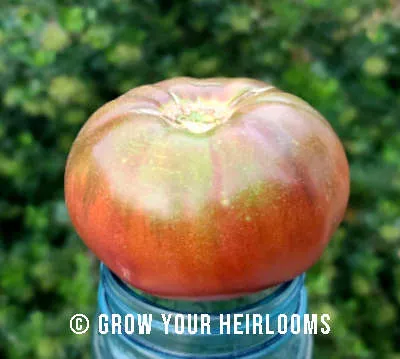 Photo: Cherokee Purple tomato, via www.growyourheirlooms.com
The people running these exchanges weren't scientists or agricultural experts. They were librarians, church secretaries, and retired teachers who understood that something valuable was being lost and decided to do something about it. They kept hand-written lists of who had what, matched gardeners with varieties that might work in their climate, and maintained the social networks that kept rare seeds in circulation.
The Flavor Underground
What these seed savers were preserving wasn't just genetic diversity — it was flavor diversity that had been bred out of commercial varieties. The tomatoes they grew didn't ship well or store for weeks, but they tasted like tomatoes were supposed to taste. Their lettuce might bolt quickly in hot weather, but it had complex flavors that modern iceberg lettuce can't touch.
Take the Brandywine tomato, now famous in farmers markets across America. This large, pink beefsteak variety nearly went extinct in the 1980s, surviving only because a few Amish families in Pennsylvania kept growing it for their own use. When seed saver Ben Quisenberry started sharing Brandywine seeds through informal networks in the early 1980s, it sparked a revival that helped launch the entire heirloom tomato movement.
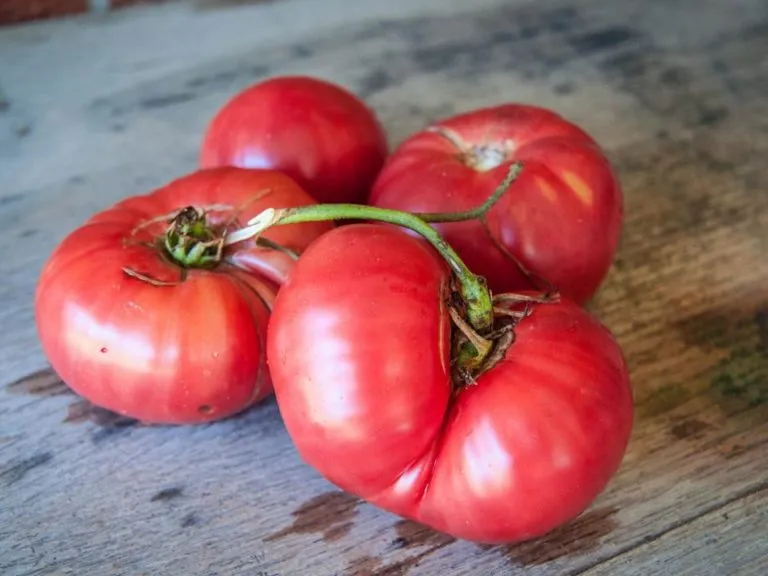 Photo: Brandywine tomato, via mossgreenhouses.com
Or consider the Mortgage Lifter tomato, developed by a West Virginia gardener named Charlie Byles in the 1930s. Byles created this huge, flavorful tomato by cross-pollinating four different varieties, then paid off his mortgage by selling seedlings for $1 each — a fortune during the Depression. The variety survived in small gardens long after commercial growers had moved on to more uniform varieties.
The Scientific Recognition
By the 1970s, agricultural scientists began to realize what the backyard seed savers had been doing all along. Organizations like the Seed Savers Exchange, founded in 1975, started formalizing these informal networks, creating catalogs and databases to help connect seed savers across the country.
But the real validation came from researchers studying crop genetics. They discovered that many of the varieties preserved by amateur gardeners contained genetic traits that could be crucial for developing crops resistant to climate change, diseases, and pests. The Cherokee Purple tomato's heat tolerance. The Glass Gem corn's drought resistance. The Moon and Stars watermelon's natural pest resistance.
 Photo: Glass Gem corn, via img.freepik.com
These weren't just quaint heirlooms — they were genetic libraries containing solutions to agricultural challenges that scientists were only beginning to understand.
The Modern Seed Renaissance
Today, the seed saving movement that started in church basements and backyard gardens has become a recognized force in agriculture. Seed libraries operate in hundreds of communities across America. Farmers markets feature vendors selling dozens of heirloom varieties. Even some commercial seed companies have started offering heritage varieties alongside their hybrid selections.
But the most important legacy of the seed saving movement isn't institutional — it's cultural. These informal networks proved that ordinary people could preserve something valuable that institutions were letting slip away. They demonstrated that conservation doesn't always require official programs or professional expertise. Sometimes it just requires people who care enough to save seeds and share them with their neighbors.
Tasting the Difference
If you want to understand what the seed savers preserved, visit a farmers market in late summer and taste a Cherokee Purple tomato, a Moon and Stars watermelon, or Glass Gem corn. These aren't just vegetables — they're edible history, carrying flavors and genetic diversity that commercial agriculture abandoned decades ago.
Every bite represents a small act of rebellion by gardeners who refused to accept that bigger, more uniform, and longer-lasting were necessarily better. They saved these varieties not because they were more profitable or easier to grow, but because they tasted better, grew well in local conditions, or carried cultural significance that couldn't be quantified on a balance sheet.
In an age of industrial food production and global supply chains, the seed saving movement reminds us that some of the most important work happens at the smallest scale — in backyard gardens, church basements, and kitchen tables where people share what they have and preserve what they love.