Ice Houses Were for Amateurs: How Southern Streams Powered America's First Natural Cooling System
The Cold Stream Solution Nobody Talks About
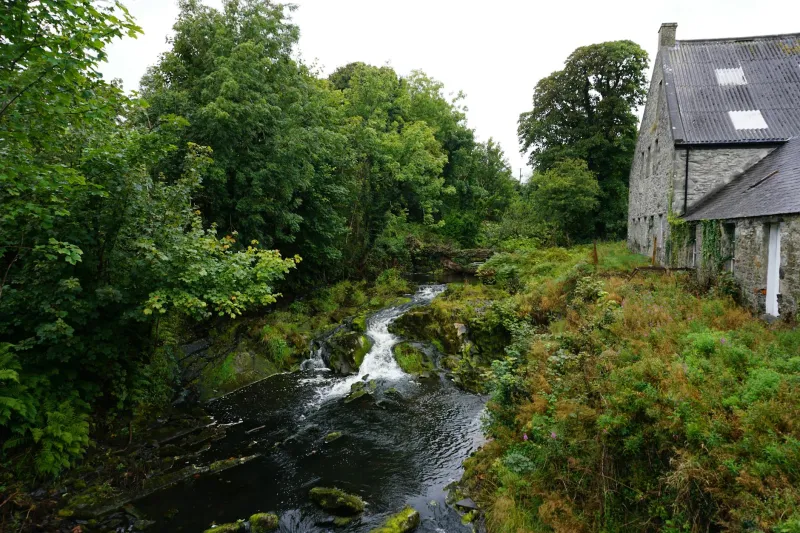
While Northern families were hauling massive blocks of ice from frozen lakes and storing them in sawdust-lined ice houses, Southern farmers had figured out something far more elegant: how to harness the constant 55-degree temperature of underground springs to create a refrigeration system that never needed restocking, never broke down, and cost nothing to operate.
The springhouse wasn't just a building near water — it was a precisely engineered cooling system that worked by channeling cold spring water directly through a stone or concrete structure. Farmers would build these small buildings directly over natural springs, allowing the cold water to flow through channels cut into the floor, creating a network of natural cooling that could keep milk, butter, eggs, and even meat fresh for days in the sweltering Southern heat.
Engineering That Put Ice Houses to Shame
The genius was in the details. The best springhouses featured multiple levels of stone shelving positioned just inches above the flowing water, creating different temperature zones for different foods. Milk crocks sat closest to the water flow, while less perishable items occupied higher shelves where the air stayed cool but not quite as cold.
Many springhouses included a separate "butter room" where wooden butter molds could be submerged directly in the flowing water, keeping the butter solid even when outside temperatures soared past 90 degrees. Some families got so sophisticated with their systems that they created multiple channels, allowing them to control water flow and temperature with simple wooden gates.
The most elaborate springhouses featured double walls with water flowing between them, creating an early form of radiant cooling that kept the entire structure at a steady temperature regardless of the weather outside.
Why They Vanished Almost Overnight
When the Rural Electrification Administration began bringing power lines to remote Southern farms in the 1930s and 1940s, electric refrigerators quickly became a symbol of modern living. Families who had relied on springhouses for generations suddenly saw them as old-fashioned, even embarrassing reminders of rural life.
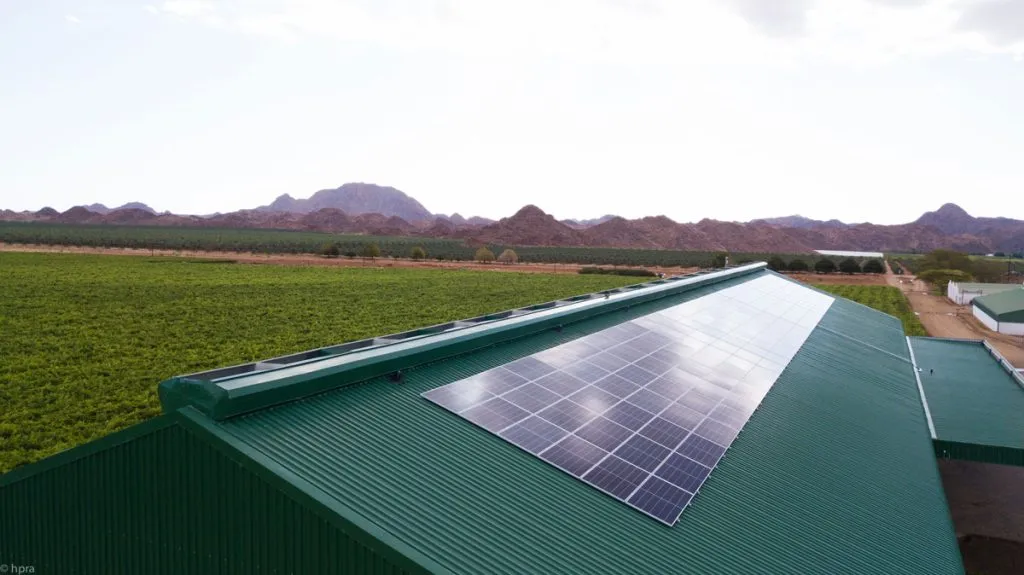 Photo: Southern farms, via broadleaf.co.za
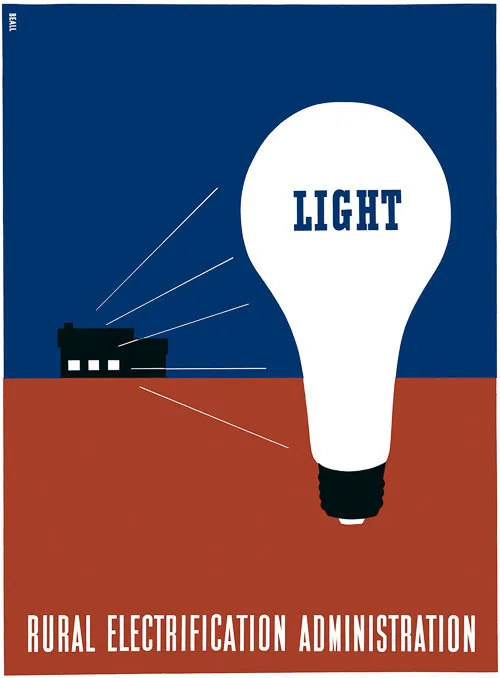 Photo: Rural Electrification Administration, via 64.media.tumblr.com
But the transition wasn't always smooth. Early electric refrigerators were expensive, unreliable, and tiny compared to the storage capacity of a good springhouse. Many families found themselves with higher electric bills and less food storage space, wondering if they'd made the right choice.
By the 1960s, most springhouses had been abandoned or converted to storage sheds. The knowledge of how to build and maintain them began disappearing as older generations passed away and younger families moved to towns and cities.
The Quiet Revival
Today, a small but growing community of homesteaders, off-grid enthusiasts, and sustainability advocates is rediscovering the springhouse. They're finding that these systems aren't just historical curiosities — they're genuinely practical solutions for modern problems.
Some families are building new springhouses using traditional techniques combined with modern materials, creating hybrid systems that can keep food cold without electricity while meeting contemporary food safety standards. Others are restoring original springhouses on old farmland, bringing these forgotten cooling systems back to life.
The appeal isn't just nostalgic. In an era of rising energy costs and growing interest in sustainable living, the springhouse represents something remarkable: a technology that worked perfectly for centuries without requiring any external energy source or complex maintenance.
What We Lost When We Forgot
The disappearance of springhouses represents more than just a shift in refrigeration technology. These buildings were central to Southern farm life, serving as gathering places where families processed dairy, preserved meat, and stored the foods that would carry them through lean times.
The knowledge embedded in springhouse construction — understanding water flow, natural cooling, and food preservation — represented generations of accumulated wisdom about living in harmony with natural systems. When we abandoned springhouses for electric refrigerators, we gained convenience but lost a deep understanding of how to keep food fresh using only what nature provided.
Today, as more Americans seek alternatives to energy-intensive appliances and industrial food systems, the springhouse stands as a reminder that sometimes the old ways weren't just different — they were better.