Sugar Had a Dark Side — and Antebellum Cooks Knew Exactly How to Use It
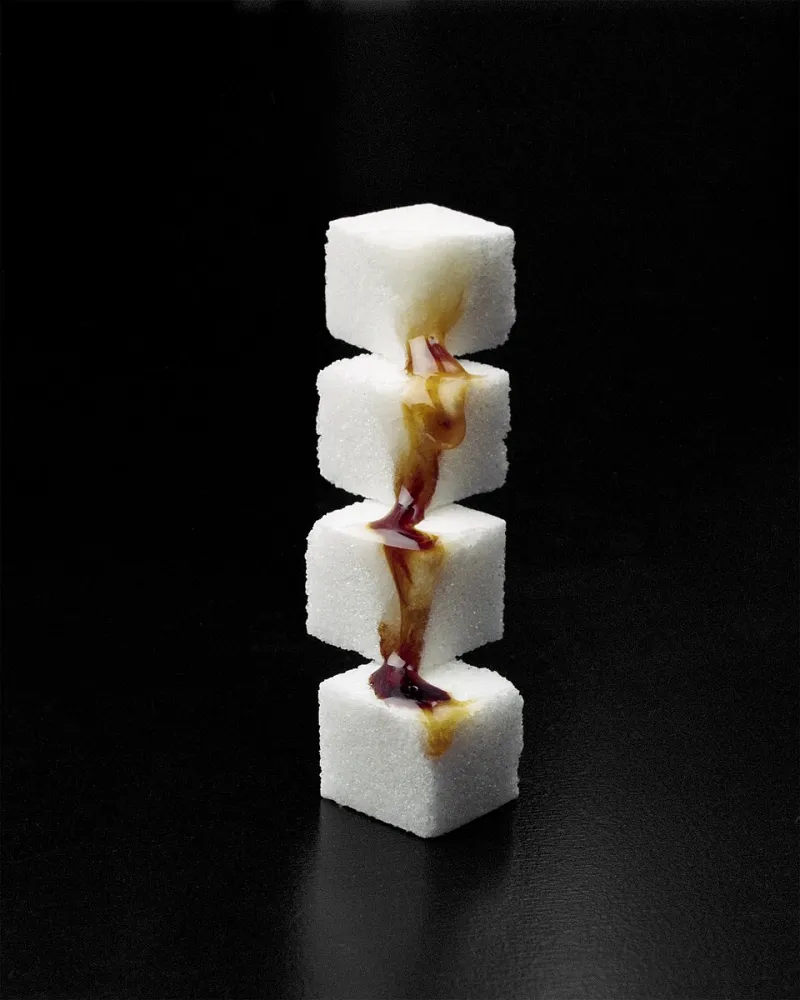
Photo: APN MJM, CC BY-SA 3.0, via Wikimedia Commons
There's a moment in the caramelization process — right around 340 degrees Fahrenheit — where sugar stops being sweet and starts being something else entirely. The color deepens from gold to amber to a rich, almost threatening brown. The smell shifts from candy-shop familiar to something smokier, more complex, with a bitterness underneath that makes your mouth do something complicated.
That moment used to be controlled by people who knew exactly what they were doing. Not just professional confectioners in European capitals, but home cooks in antebellum America — women working in plantation kitchens, farmhouse parlors, and city townhouses — who understood caramelization as a craft skill, taught deliberately and practiced with precision.
Then we forgot. And the story of how we forgot is almost as interesting as the techniques themselves.
The Cookbooks Nobody Reads Anymore
The historical record here is hiding in plain sight, if you know where to look. American cookbooks from the late 18th and early 19th centuries — works like Mary Randolph's The Virginia Housewife (1824), Eliza Leslie's various volumes from the 1830s and 40s, and the lesser-known household manuals that circulated in manuscript form among plantation households — contain sugar-work instructions of remarkable sophistication.
We're not talking about directions to dissolve sugar in water and call it a day. These texts describe the precise visual and tactile tests for different sugar stages: the thread, the soft ball, the hard ball, the soft crack, the hard crack. They explain how to recognize each stage by the behavior of a small sample dropped into cold water or pulled between wet fingers. They give instructions for making pulled sugar decorations, for spinning sugar threads over a wooden dowel, for building brittle with specific nut ratios, for achieving the exact shade of caramel needed for a burnt sugar cake versus a sugar-glazed ham.
This was technical knowledge. It was also, critically, knowledge that circulated across social lines in ways that challenge the tidy narrative that sophisticated cooking was exclusively an elite pursuit.
Who Was Actually Doing the Work
Here's where the history gets complicated in a way that most food writing still tends to sidestep.
In the antebellum South, the most skilled sugar workers in plantation households were almost invariably enslaved Black women who had developed extraordinary technical competence through years of practice — and who received no credit, no wages, and no authorship in the cookbooks that documented their techniques. When Mary Randolph published her sugar recipes, she was recording knowledge that was often being generated and refined in kitchens she didn't personally work in, by people whose names she didn't include.
The sophistication of antebellum American sugar craft is inseparable from this history. The techniques were refined and preserved by people who had every reason to master their work — because mastery offered a form of agency in a system designed to deny it — and then attributed to the households that owned them.
Food historians like Michael Twitty have spent years recovering this fuller picture, tracing the African and African American roots of Southern culinary technique and insisting on the authorship of the people who were actually cooking. The sugar work is a particularly vivid example: the skill was real, the practitioners were identifiable in household records even when unnamed in print, and the erasure was systematic.
What the Techniques Actually Were
Set the history aside for a moment and look at the craft itself, because it's genuinely remarkable by any standard.
Burnt sugar cake — a staple of 19th-century American baking that barely registers in modern recipe culture — required the cook to caramelize sugar to a precise degree of darkness before incorporating it into batter. Too light and the flavor was flat. Too dark and the bitterness overwhelmed everything. The cook had to read the sugar visually and by smell, adjusting heat on a wood-burning stove with no temperature gauge, and hit a window of maybe thirty seconds. People did this routinely.
Brittle-making required similar precision. The recipes specify nut-to-sugar ratios, pouring temperatures, and spreading techniques that would translate almost directly to a modern pastry curriculum. Sugar decorations — spun threads, pulled flowers, molded figures for celebration cakes — were considered appropriate skills for a well-run household kitchen, not exotic specialties.
Shrub-based sugar syrups, caramel sauces for puddings, sugar-glazed meats (yes, really — the sweet-savory combination that feels modern was standard), and elaborate hard candies pulled and twisted into shapes all appear in these old texts with the matter-of-fact tone of skills expected to be known.
The Great Forgetting
So what happened? A few things, roughly simultaneously.
The industrialization of candy production in the late 19th century made most of these confections available for purchase, removing the economic rationale for making them at home. The standardization of cooking education in the early 20th century — driven largely by home economics curricula that prioritized nutrition science over craft technique — deprioritized sugar work as too indulgent, too difficult, or simply unnecessary. The shift to gas and electric stoves changed the tactile relationship cooks had with heat, making some of the intuitive temperature-reading skills harder to develop.
And the cookbooks themselves fell out of circulation. The manuscripts never got digitized. The printed volumes ended up in university special collections, consulted by historians but not by home cooks.
What Modern Candy Makers Are Finding
A small but growing community of candy makers and pastry historians are going back to these texts now, and the results are quietly surprising. Techniques that seem almost impossibly demanding on paper turn out to be learnable — sometimes faster than expected — when approached as craft skills rather than chemistry problems.
The burnt sugar cake, in particular, has attracted attention from bakers who describe the flavor as categorically different from anything achievable with modern caramel extracts or commercial caramel sauce. The controlled bitterness, the depth, the way it interacts with butter and flour — it's a flavor profile that got lost and is now being found again, one scorched saucepan at a time.
The old books knew something. They just needed someone to go back and ask.