The Kitchen Scrap Healers: How Homemade Vinegar Quietly Doubled as Medicine
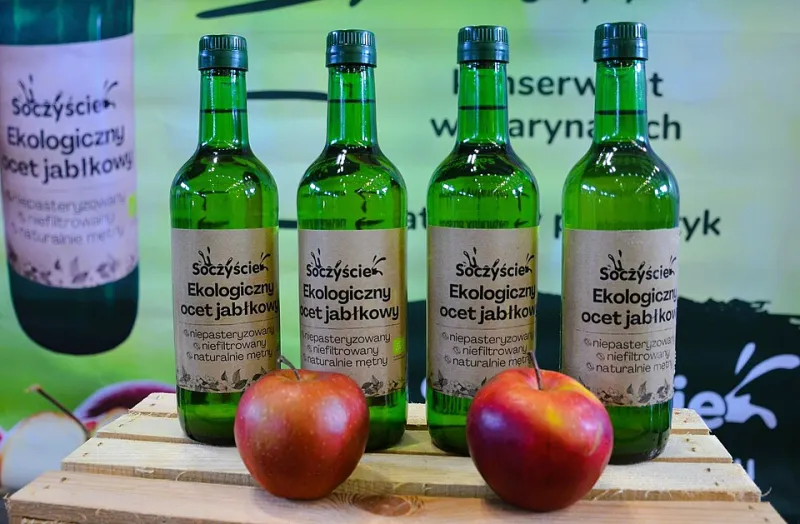
Photo: Silar, CC BY-SA 4.0, via Wikimedia Commons
Somewhere between the pickle crock and the medicine chest, there used to be a jar of vinegar that did the job of both.
It might have been infused with elderberries and wild ginger. Maybe it held a sprig of horehound or a handful of dried rosehips. Whatever was in it, the family who made it knew exactly what it was for — a scratchy throat, a sluggish stomach, a wound that needed cleaning. And they made it themselves, from apple peels, grape skins, or the dregs of last season's cider, because throwing those things away would have seemed almost criminal.
This was American home vinegar-making, and for a long stretch of history, it was everywhere. Then industrial production came along, and almost overnight, it wasn't.
A Pantry Staple With a Double Life
The word vinegar comes from the Old French vinaigre — literally "sour wine." But American households in the 18th and 19th centuries weren't making it because they'd mismanaged their wine rack. They were making it on purpose, with intention, and with a working knowledge of fermentation that most people today couldn't replicate without a YouTube tutorial.
The basic process was elegantly simple: fruit scraps, diluted in water, were left to ferment in a warm spot until wild yeasts converted the sugars to alcohol, and then acetobacter bacteria converted the alcohol to acetic acid. What came out the other end was vinegar — tart, alive, and ready to be used.
But here's the part that tends to get overlooked: cooks didn't stop there. They layered those vinegars with medicinal herbs, roots, and berries that transformed them into something closer to a tincture. Elderberry shrubs — a sweetened vinegar syrup — were given to children during cold season. Fire cider, a pungent blend of horseradish, garlic, onion, ginger, and hot peppers steeped in apple cider vinegar, was a winter staple in New England households long before any wellness brand thought to bottle it. Oxymel, a honey-and-vinegar preparation borrowed from ancient Greek medicine, showed up in American herbalist notes well into the early 1900s.
These weren't folk superstitions. They were working recipes passed down through families and communities, adjusted over generations, and trusted because they'd been observed to help.
The Shop on the Corner That You Never Knew About
It wasn't just home kitchens producing this stuff. Small vinegar works — often attached to general stores, apothecaries, or farms — operated throughout rural and small-town America in the 1800s. They supplied local communities with a range of vinegars that went well beyond the plain white distilled variety we associate with cleaning bathrooms today.
Some of these operations were run by German immigrant families who brought vinegar-making traditions from central Europe. Others were tied to cider orchards in the Northeast, where the line between a cider press and a vinegar barrel was just a matter of timing and temperature. Shrub-makers in the mid-Atlantic sold drinking vinegars as refreshment concentrates — you mixed them with water in the summer heat the way we reach for Gatorade now.
None of these people filed patents. There was no intellectual property to protect, because the knowledge was communal. It belonged to the neighborhood, the region, the tradition. That's also precisely why it nearly vanished: when there are no records and no profit motive, history has a way of moving on without you.
What Industrial Vinegar Did to the Old Ways
By the early 20th century, large-scale vinegar production had figured out how to dramatically accelerate fermentation using aeration techniques. What once took months in a barrel could now be done in days in a factory. The price of commercially produced vinegar dropped, and with it, the economic rationale for making your own.
At the same time, the rise of pharmaceutical medicine was quietly delegitimizing home remedies across the board. Herb-steeped vinegars weren't dangerous — but they weren't patentable either, and they didn't fit the emerging model of medicine as something dispensed by professionals from sterile bottles. The knowledge didn't die all at once. It faded, grandmother by grandmother, as the people who carried it stopped being asked.
By mid-century, vinegar in most American kitchens meant one thing: a clear, sharp liquid used for salad dressing and Easter egg dyeing. The medicinal layer had been stripped away almost entirely.
The Quiet Comeback Nobody's Talking About
Here's what's interesting, though. Walk into any serious fermentation community right now — the kind that gathers in community centers, trades cultures online, or haunts the back shelves of natural food co-ops — and you'll find people who are essentially rediscovering these techniques from scratch.
Fire cider has become a small-batch cottage industry. Drinking shrubs have found a second life in the craft cocktail world. Apple scrap vinegar is a staple project in homesteading circles. And a growing number of herbalists are revisiting oxymel preparations with genuine clinical curiosity, pointing to emerging research on the antimicrobial properties of acetic acid and the bioavailability of certain herbal compounds when delivered in an acidic medium.
None of this is revolutionary. That's almost the point. The people doing it aren't reinventing anything — they're recovering something that was always there, waiting in old recipe notebooks and the back pages of 19th-century household manuals.
Why It Matters That Nobody Patented It
There's something quietly radical about a body of knowledge that survived for centuries without anyone owning it. No corporation built an empire on grandmother's elderberry shrub. No patent expired and left the formula in legal limbo. The recipe was just... shared. Adjusted. Passed along.
The fact that it nearly disappeared anyway is a useful reminder that "freely available" and "safely preserved" are not the same thing. Knowledge that isn't recorded, taught, or practiced has a way of becoming invisible — not because it stopped working, but because the people who held it moved on.
The vinegar jar is back on the shelf in a lot of kitchens. It just took us a while to remember why it was there in the first place.