Deep South, Deep Flavor: The Limestone Cave Cheesemakers Who Put Missouri on the Map Before Anyone Noticed
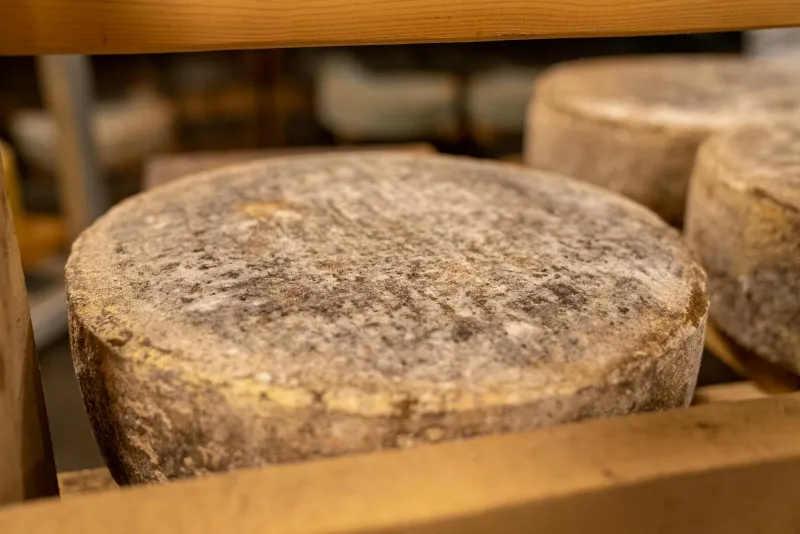
The Caves That Time Forgot
Tuck away your assumptions about American cheese. Long before Brooklyn food halls started charging $30 a pound for artisan wheels, and decades before Wisconsin became synonymous with quality dairy, something remarkable was happening in the limestone caves of southern Missouri.
Deep in the Ozark Mountains, immigrant families from Germany and Switzerland were quietly perfecting an art that most Americans didn't even know existed on this continent. They were aging cheese wheels in natural caves, creating complex flavors that could hold their own against anything coming out of the Alps.
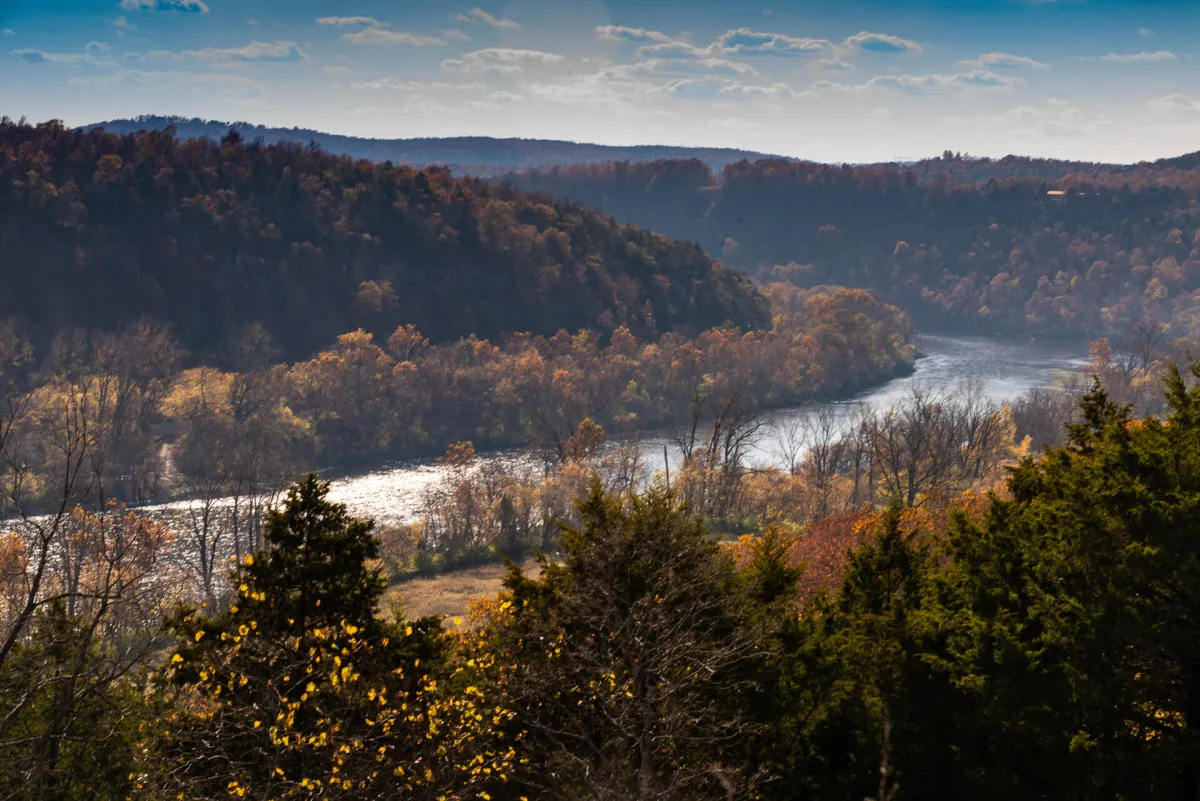 Photo: Ozark Mountains, via mississippirivercountry.com
The secret wasn't just in their Old World techniques — it was in the geology beneath their feet.
Why Missouri Caves Made Perfect Cheese Cellars
The Ozark region sits on some of the most extensive limestone cave systems in North America. These weren't just convenient storage spaces; they were natural refrigeration units that maintained a constant 58-60°F year-round, with humidity levels that hovered around 85% — exactly what aging cheese needs.
"The caves provided what no surface building could," explains food historian Martha Welch, who has spent years documenting Ozark food traditions. "Perfect temperature control without any technology, natural air circulation, and the kind of mineral-rich environment that actually improved the cheese as it aged."
Unlike the damp, musty basements that most American settlers used for food storage, these limestone caves offered something closer to the controlled environments that European cheesemakers had perfected over centuries. The rock itself filtered the air, while underground springs maintained ideal moisture levels.
The Families Who Kept the Tradition Alive
The Zimmerman family arrived in Stone County, Missouri, in 1887, carrying not much more than their clothes and a detailed knowledge of Swiss cheese-making passed down through generations. Within five years, they had identified a cave system on their property and were aging wheels that local general stores couldn't keep in stock.
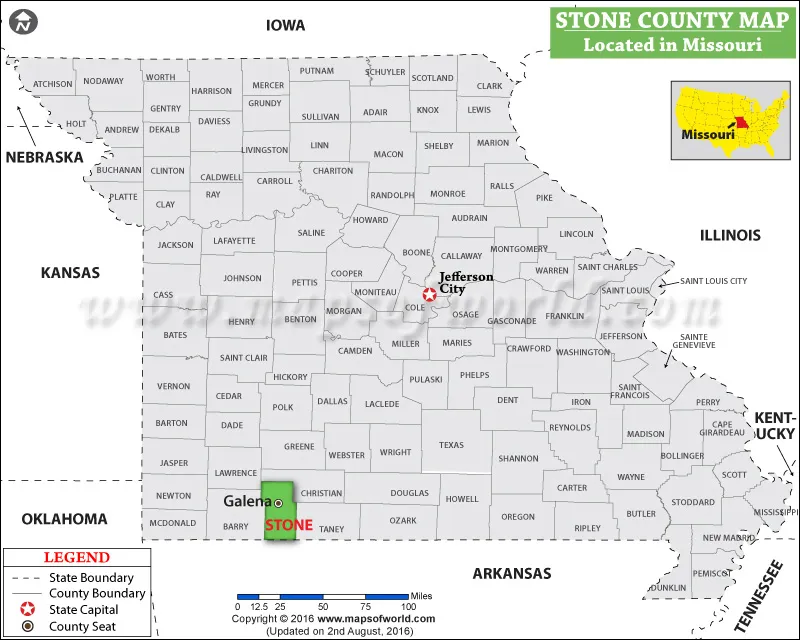 Photo: Stone County, Missouri, via www.mapsofworld.com
"My great-grandmother would lower the wheels down into the cave on ropes," recalls current family member David Zimmerman. "She'd check on them every few weeks, turning them, brushing off the mold, knowing exactly when each wheel would be ready just by looking at it."
The Hoffmans, originally from Bavaria, settled nearby and developed their own variation using goat milk and a blend of wild herbs they foraged from the surrounding hills. The Webers focused on hard cheeses that could age for over a year, developing rinds so complex that food writers today would struggle to describe their flavor profiles.
These weren't hobby operations. By the 1920s, Ozark cave-aged cheeses were being shipped as far as St. Louis and Kansas City, where they commanded premium prices in specialty food shops.
What Made Ozark Cheese Different
The combination of European technique and American cave geology created something unique. The limestone imparted subtle mineral notes that you couldn't get from surface aging. The natural air circulation prevented the overly aggressive mold growth that plagued many early American cheese attempts. And the consistent temperature meant that wheels developed slowly and evenly, creating the kind of complex flavor layering that takes months to achieve.
"These cheeses had characteristics I've never tasted anywhere else," says modern artisan cheesemaker Rebecca Torres, who has spent years trying to recreate historical Ozark recipes. "There was a depth and a kind of earthy sweetness that came from the cave environment itself."
Some wheels were aged with wild persimmon leaves, others with hickory bark, incorporating flavors that were purely American while maintaining the structural integrity of European-style aging.
The Quiet Disappearance
So why didn't Missouri become America's cheese capital? The same forces that transformed the rest of American food production: industrialization, refrigeration, and the economics of scale.
As commercial dairies grew larger and refrigerated transportation became standard, the small-batch, labor-intensive cave operations couldn't compete on price. Younger generations moved to cities for steady work. And perhaps most importantly, American tastes were shifting toward milder, more uniform products that could be mass-produced.
By the 1950s, most of the cave operations had shut down. The knowledge was passed along within families, but without active production, much of the specific technique was lost.
The Modern Revival
Today, a handful of operations are returning to the caves. The same geological advantages that impressed 19th-century immigrants are now attracting a new generation of cheesemakers who understand that the best aging environments can't be replicated with technology.
Crown Valley Winery and Distillery in Ste. Genevieve has converted old limestone mines into cheese caves, aging wheels for artisan producers across the Midwest. Smaller operations like Ozark Mountain Creamery are working directly with descendants of the original cave-aging families, trying to piece together techniques that were never written down.
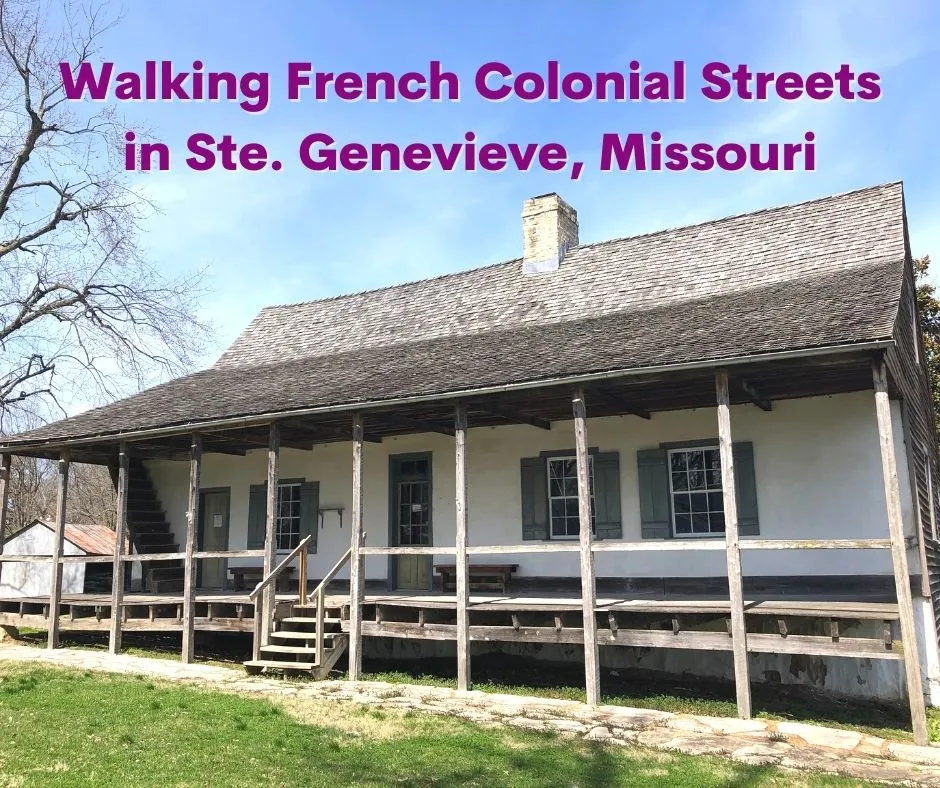 Photo: Ste. Genevieve, via 1.bp.blogspot.com
"We're not trying to recreate exactly what they did," explains current cave-ager Tom Mueller. "But we're learning that they figured out something about this environment that we're only now beginning to understand."
What We Lost and What We're Finding Again
The Ozark cave cheese tradition represents something larger about American food history — the countless innovations and adaptations that happened in rural communities, away from the cities where food trends typically get documented and celebrated.
These immigrant families didn't just transplant European techniques; they adapted them to American conditions and created something genuinely new. The fact that most Americans never heard this story says more about how we've told the history of American food than it does about the quality of what was being produced in those limestone caves.
Today, as artisan food culture rediscovers the value of traditional techniques and unique aging environments, the Ozark cave tradition offers a reminder that world-class food culture has always existed in America — we just weren't always paying attention to where it was happening.