The Colonies That Cracked Sustainable Agriculture a Century Before It Was Cool
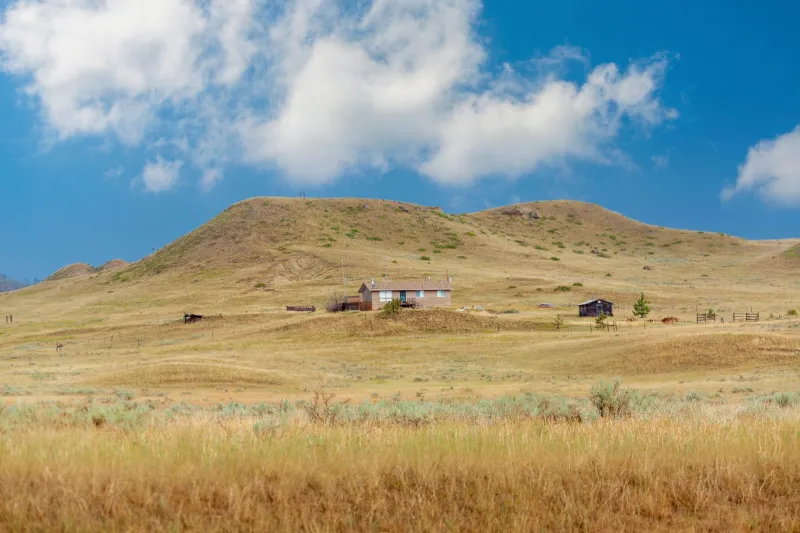
Somewhere outside of Lewistown, Montana, on a stretch of high plains that looks like it goes on forever, there's a Hutterite colony running a food operation that would make most farm-to-table chefs feel quietly embarrassed about their own sourcing. They raise the animals. They slaughter them. They use nearly every part. They grow their own vegetables, ferment their own preserves, bake their own bread, and have done all of it cooperatively — without outside investment, without trend cycles, without a single Instagram post — since before most of their neighbors' great-grandparents were born.
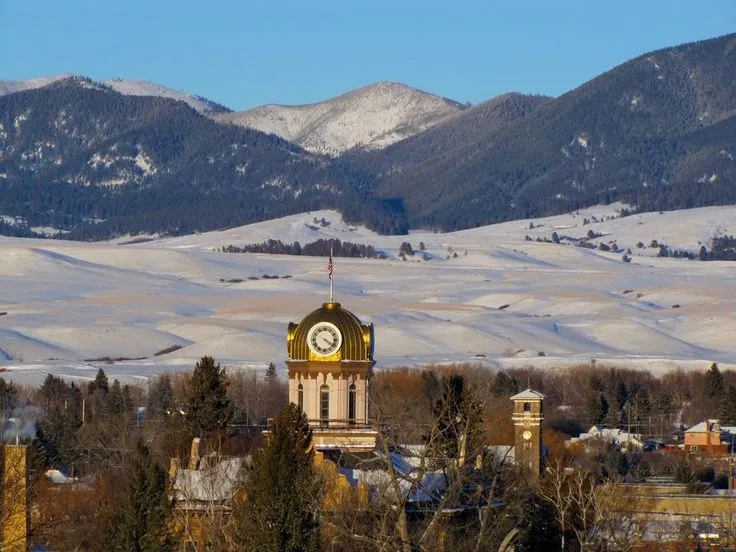 Photo: Lewistown, Montana, via s-media-cache-ak0.pinimg.com
And almost nobody outside their communities has ever really paid attention.
Who Are the Hutterites, Exactly?
The Hutterites are an Anabaptist religious group with roots in 16th-century Austria, named after their early leader Jakob Hutter. After centuries of persecution across Europe, the first Hutterite colonies arrived in the Dakotas in the 1870s, fleeing religious pressure in Russia. Today, roughly 45,000 Hutterites live in about 500 communal colonies spread across South Dakota, North Dakota, Montana, and into Canada.
 Photo: Jakob Hutter, via cdn.moviefone.com
They live communally. They work communally. They eat communally. And that last part is where things get genuinely fascinating from a food perspective.
A Hutterite colony isn't just a religious community — it's a fully integrated food production and consumption system. Everything that gets eaten was, in most cases, grown, raised, processed, and cooked within the colony's own land. The supply chain is about a half-mile long.
The Scale Is Staggering (and Largely Invisible)
Here's what surprises most people when they first learn about Hutterite agriculture: the scale. These aren't small homesteads. A single colony might farm several thousand acres, raise tens of thousands of chickens, operate its own slaughterhouse, run a commercial bakery, maintain extensive root cellars and cold storage, and produce enough food to sustain a community of 100 to 150 people through a Great Plains winter — with surplus to sell.
Hutterite colonies are, in fact, significant commercial agricultural producers. Their eggs, poultry, and pork show up in regional markets across the Northern Plains, often without buyers knowing the source. In some areas, Hutterite-raised goods supply a surprising percentage of local grocery store stock.
But the commercial side almost misses the point. What's remarkable isn't just the output — it's the system.
Whole-Animal Cooking as a Way of Life
In contemporary food culture, nose-to-tail cooking is a philosophy. Chefs like Fergus Henderson built careers around it. Restaurants charge a premium for it. In Hutterite colonies, it's simply Tuesday.
 Photo: Fergus Henderson, via www.telegraph.co.uk
When a hog is butchered in a colony, very little is wasted. The cuts that don't become roasts or chops become sausage. The fat becomes lard for baking. The blood, in some colonies, goes into traditional blood sausage recipes carried forward from European roots. Organ meats are incorporated into dishes that have been made the same way for generations.
The same logic applies to cattle, poultry, and sheep. Butchering is a communal event, with multiple families working together in a coordinated process that reflects both religious values around stewardship and centuries of practical necessity. The result is a food culture with almost no meaningful waste — something the modern sustainability movement has been trying to engineer back into existence through considerable effort and expense.
The Kitchen as Colony Infrastructure
In most Hutterite colonies, cooking is centralized. The colony kitchen — often a large, purpose-built structure — serves as the daily hub of food production for the entire community. Women rotate cooking responsibilities, preparing three meals a day for everyone. Recipes are largely oral traditions, passed from older women to younger ones within the colony.
The dishes themselves are a fascinating hybrid. German and Eastern European roots show up clearly: hearty noodle dishes, braised meats, preserved vegetables, dense rye breads. But over 150 years of Great Plains living, those traditions have absorbed local ingredients and adapted to the rhythms of the Northern Plains growing season in ways that make Hutterite cooking genuinely distinct.
Fermentation is central. Sauerkraut, pickled beets, preserved cucumbers, and fermented dairy products are colony staples — not because fermentation became trendy, but because it has always been the most reliable way to get vegetables through a Dakota winter.
Why You've Never Heard This Story
Hutterites are, by religious conviction and cultural practice, not particularly interested in outside recognition. They don't seek press coverage. They don't write cookbooks. They aren't pitching television shows. The knowledge inside those colony kitchens is passed person to person, generation to generation, entirely within the community.
There's also an element of the outside world simply not looking. The Northern Plains don't get the same food-culture attention as coastal cities or even the American South. Hutterite communities are easy to drive past without thinking twice about what's happening behind the fence lines.
A Food System Worth Studying
As American agriculture grapples with questions about sustainability, food waste, community resilience, and the practicalities of feeding people through disruption, the Hutterite model deserves more serious attention than it gets. They have been running a closed-loop, low-waste, community-scaled food system for a century and a half, in one of North America's most challenging climates, without outside subsidy or theoretical framework.
They didn't call it sustainable. They didn't brand it farm-to-table. They just called it how you live.
Sometimes the most advanced thinking is the kind that never needed a name.