Neither Rain Nor Snow Nor Empty Pantry: The Postal Routes That Rewired What Farm Families Ate
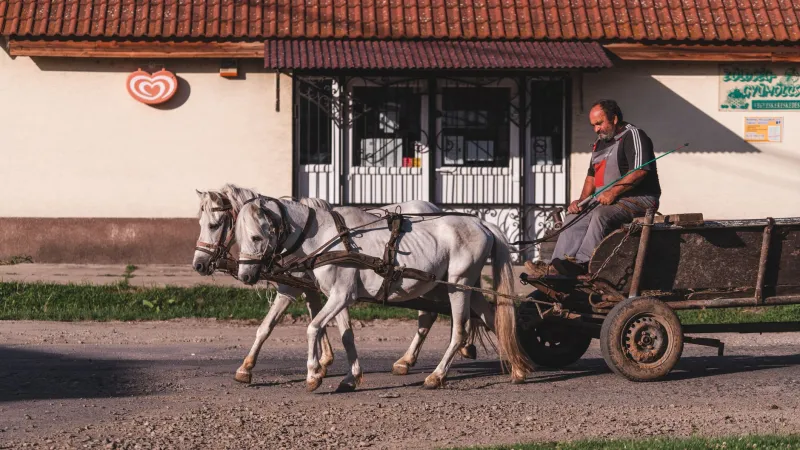
In 1896, a mail carrier named William Fuller drove a horse-drawn wagon down a rutted dirt road in rural West Virginia and handed a farm wife something she had never seen before: a seed catalog from a company in Rochester, New York. She could order things like kohlrabi, Italian pole beans, and a tomato variety called the Ponderosa. For a woman who had grown the same five vegetables her grandmother grew, it was like being handed a passport.
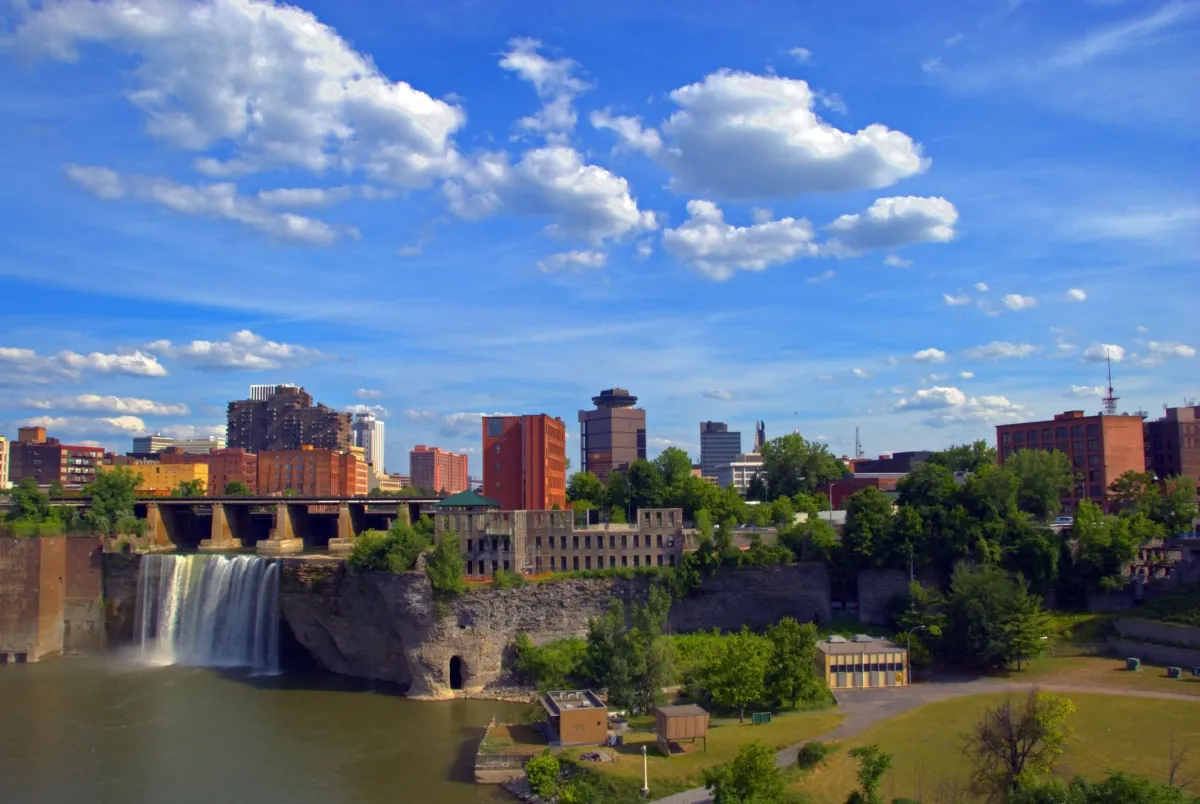 Photo: Rochester, New York, via s-media-cache-ak0.pinimg.com
 Photo: West Virginia, via i.redd.it
That exchange — small, unremarkable, completely unplanned — was quietly happening across tens of thousands of miles of American countryside. And it changed what people ate in ways food historians are still piecing together.
The Program Nobody Thought Would Matter
Rural Free Delivery, or RFD, officially launched in 1896 after years of lobbying by farmers who were tired of riding into town just to pick up their mail. The Post Office Department was skeptical. The USDA saw it mostly as a logistics experiment. Nobody in Washington was thinking about food culture.
But here's the thing about putting a federal employee on a wagon and sending him down every back road in America: information travels with him. And in the late 19th century, information about food was extraordinarily valuable to people who had been cooking in near-total isolation.
Before RFD, most rural families got their culinary knowledge from whoever their neighbors happened to be. If your county was settled by German immigrants, you ate like German immigrants. If your township was mostly Scots-Irish, your table looked Scots-Irish. The mail route broke that insularity open like a cracked walnut.
Seeds, Pamphlets, and a Whole Lot of Live Chickens
The seed catalog was probably the most transformative single document in American agricultural history, and RFD is the reason it reached people. Companies like Burpee and D.M. Ferry had been printing them since the 1870s, but without reliable rural delivery, they were mostly reaching people who already lived near towns. Once RFD carriers started running regular routes, catalog companies flooded the system.
By 1910, the USDA estimated that more than 60 percent of rural households had received at least one seed catalog in the previous year. Varieties that had been regional curiosities — sweet corn from the Northeast, dried chili peppers from the Southwest, unusual squash from Indigenous agricultural traditions — started showing up in gardens across the Midwest and the South.
But seeds weren't the only thing moving through the mail. The USDA itself started distributing recipe pamphlets and agricultural bulletins through the postal system, reaching farm wives with cooking instructions for vegetables they had never tasted. Pamphlets on canning, fermentation, and food preservation followed. The federal government was, entirely by accident, running a national culinary education program through the post office.
And then there were the chickens. This part sounds made up, but it isn't: the U.S. Postal Service officially allowed the mailing of live baby chicks starting in 1918, and rural carriers were suddenly delivering cardboard boxes of peeping, scrambling poultry to farm doorsteps. New breeds — Leghorns, Rhode Island Reds, Plymouth Rocks — spread across regions that had previously kept only whatever local stock their neighbors had. The American egg changed because of a postal regulation.
The Carrier as Connector
What's easy to miss in the official history of RFD is the human element. These weren't just delivery vehicles. Rural mail carriers became informal community connectors, and in many townships they played a quiet but real role in the exchange of food knowledge.
Carriers would pass along messages between farms. They'd mention that the family three miles down the road was having good luck with a new variety of winter squash. They'd drop off a cutting or a handful of seeds tucked into an envelope with a neighbor's note. Some carriers, according to local historical records from Iowa and Indiana, kept informal lists of who had extra canned goods to trade and who was running short after a bad harvest.
This wasn't official. It wasn't organized. It was just what happened when you put a trusted, familiar person on a route through isolated communities five days a week, year after year.
The Ripple Effect Nobody Tracked
By the 1920s, rural American tables were quietly more diverse than they had been a generation earlier. Not dramatically, not overnight — but the cumulative effect of two decades of catalogs, pamphlets, new breeds, and informal exchange was real. Vegetables that had been ethnically specific were crossing cultural lines. Canning techniques from one region were being adopted in another. New chicken breeds were producing more eggs and different flavors.
Nobody wrote it down as a food history moment. It didn't have a name. There was no celebrity chef involved, no restaurant trend to point to. It was just a postal program doing something it was never designed to do.
Why It Still Matters
There's a version of this story that feels very contemporary. We talk a lot today about food access, about connecting people to ingredients and techniques they've never encountered, about building networks that move culinary knowledge across cultural and geographic barriers. Rural Free Delivery did all of that — with a horse, a wagon, and a government salary — over a century ago.
The next time you plant a vegetable variety you found in an online catalog, or try a recipe from a region you've never visited, you're participating in something that started on a muddy road in West Virginia in 1896. A mail carrier handed someone a catalog. That someone planted something new. And the American table got a little wider.
That's a story worth knowing.