The Tiny Shops That Fed Immigrant America — Before Chain Grocers Decided What We Eat
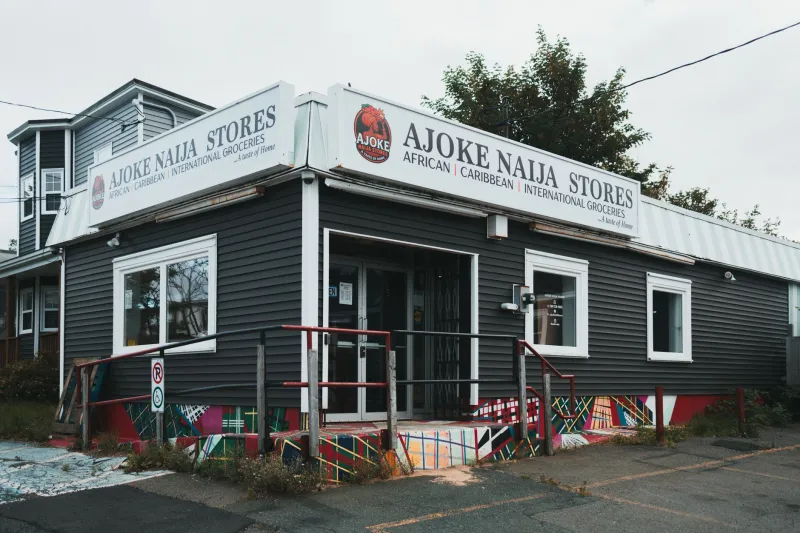
There's a shop in Watertown, Massachusetts, that has been selling the same Armenian string cheese, dried figs, and hand-packed grape leaves for decades. The fluorescent lights flicker a little. The shelves are densely packed in a way that modern retail consultants would call 'inefficient.' The owner knows almost every customer by name and can tell you which neighborhood in Yerevan their grandparents came from based on which pickles they're reaching for.
 Photo: Watertown, Massachusetts, via www.watertownmanews.com
This place is a relic. It is also, if you pay attention, a living museum of how immigrant America actually fed itself — and quietly shaped what the rest of America eventually decided to eat.
The Store Before the Supermarket
Before the rise of chain grocery stores in the mid-twentieth century, urban American neighborhoods were sustained by a dense ecosystem of hyper-specialized food shops. These weren't general stores trying to carry everything. They were narrow, focused operations built around a specific community's specific needs.
A Jewish neighborhood on the Lower East Side of Manhattan might have had a dedicated herring shop — barrels of different preparations, salt-cured, pickled, creamed — run by someone whose family had been doing the same work in Warsaw or Vilnius. Around the corner, a separate shop handled smoked fish. Another dealt exclusively in pickles, with crocks lining the floor from wall to wall. The specialization was extreme by modern standards, but it served a population that couldn't find these things anywhere else and wasn't willing to simply stop eating them because they'd moved to a new country.
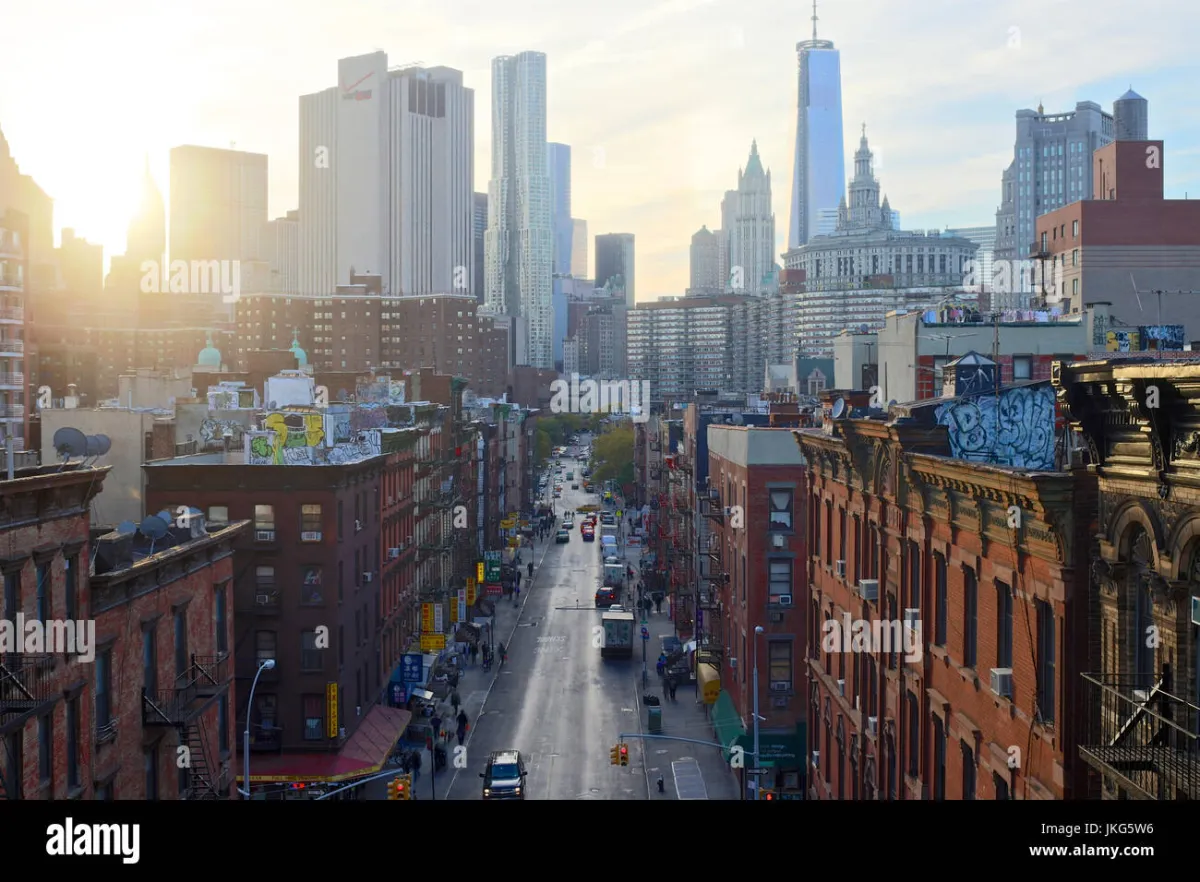 Photo: Lower East Side of Manhattan, via c8.alamy.com
Greek communities in cities like Chicago and Baltimore supported olive oil importers who brought in specific regional varieties — Kalamata, Cretan, Peloponnesian — because the flavor profiles were distinct enough that a cook from one part of Greece genuinely didn't want what a cook from another part was using. Lebanese grocers stocked za'atar and sumac and dried rosewater long before any of those things appeared in mainstream American cooking. Italian importers were moving canned San Marzano tomatoes and aged pecorino into urban neighborhoods decades before any food magazine 'discovered' them.
More Than a Store — A Lifeline
What's easy to miss from a historical distance is that these shops weren't just retail operations. They were social infrastructure. They were places where information traveled — news from the old country, advice about navigating American bureaucracy, word of available work, warnings about landlords. The proprietor functioned as a community anchor in ways that had nothing to do with commerce.
Food, in this context, carried an enormous emotional weight. The ability to cook a meal that tasted like home — really tasted like home, made with the right ingredients rather than the nearest approximation — was a form of psychological sustenance that researchers who study migration have started taking seriously. Eating familiar food in an unfamiliar place is a way of asserting continuity, of saying 'I am still myself even here.'
Those little shops made that possible. They sourced things no mainstream wholesaler was interested in carrying. They maintained relationships with importers and producers overseas at a time when international supply chains required genuine effort and personal connection to navigate. They did it because their customers needed it, and because the proprietors often needed it themselves.
How These Shops Shaped American Food Without Getting Credit
Here's the part food historians find genuinely frustrating: the influence of these neighborhood grocers on American cuisine is enormous, and almost entirely unacknowledged.
The ingredients that now sit in the 'international' aisle of every major supermarket — tahini, harissa, gochujang, fish sauce, various pickled things — were available in American cities for generations before they went mainstream. They were available because small immigrant grocers were importing them for specific communities. When American food culture eventually expanded its palate, it was reaching for things that had actually been here all along, hidden in plain sight in neighborhoods that mainstream food media wasn't paying attention to.
Some of what we think of as distinctly 'American' regional food is directly traceable to these shops. The prevalence of olive oil in California cuisine connects to Italian and Greek importers who were selling it in San Francisco and Los Angeles before anyone called it 'California cuisine.' The fermentation traditions in parts of the Midwest trace back to Eastern European grocers who kept those techniques alive through the mid-century decades when processed food was supposed to make them obsolete.
The Survivors
Most of the original shops are gone. Supermarkets won the convenience argument in the 1950s and 60s, and urban renewal projects physically demolished many of the neighborhoods where these stores operated. The communities dispersed into suburbs, and the specialized grocers couldn't follow without losing the density that made them viable.
But some survived. Sahadi's in Brooklyn has been selling Middle Eastern groceries since 1948 and is now in its third generation of family ownership. Zingerman's Deli in Ann Arbor, Michigan, started in 1982 as a conscious attempt to recreate the dense, specific food culture of Jewish delicatessens and has become something of a national institution. Various Armenian, Greek, and Lebanese markets persist in communities like Watertown, Massachusetts, and Dearborn, Michigan, doing essentially what their predecessors did a century ago.
What's interesting is that these shops have found a second audience. Alongside the multigenerational community customers who've been coming in for decades, there's a growing wave of food-curious younger shoppers who've figured out that the best harissa, the most interesting pickle, the olive oil that actually tastes like something — that stuff isn't at the big chain store. It's at the small, slightly chaotic shop where the owner can tell you exactly where it came from.
Which is, of course, exactly what those shops were always for. The customer base just got a little wider.
What We Lost and What's Still There
The supermarket gave Americans convenience and consistency and year-round access to an extraordinary range of food. Those are real benefits. But something was traded away in the process — the specificity, the depth, the sense that food is connected to particular places and particular people rather than to a brand and a supply chain.
The immigrant grocery stores that built urban American food culture understood something that's worth remembering: the most important thing a food shop can do isn't carry everything. It's carry the right things for the people who need them — and know exactly why those things matter.