The Ozarks Had a Fruit Map Nobody Bothered to Print — and It's Almost Gone
The Ozarks Had a Fruit Map Nobody Bothered to Print — and It's Almost Gone
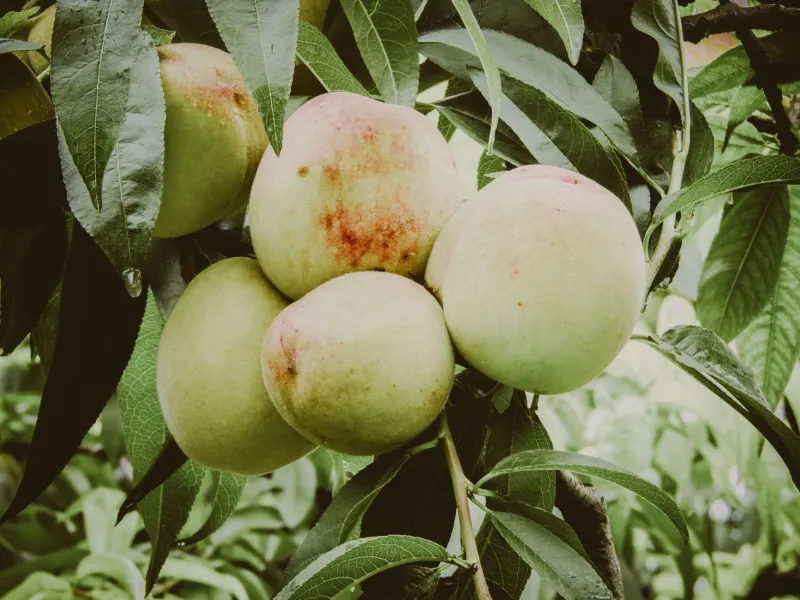
If you drove through the Ozark highlands in the 1930s — the hill country that rolls across southern Missouri and northern Arkansas in long, wooded ridges — you'd pass orchards that don't appear in any agricultural record. Small plots of peach trees with names like Elberta's Sister and Red June. Persimmon groves that families had been harvesting since before the Civil War. Pawpaw patches tucked into creek bottoms, tended by the same families for three or four generations. None of it made the commodity markets. None of it mattered to the USDA. But it fed people through some of the hardest years the country ever saw.
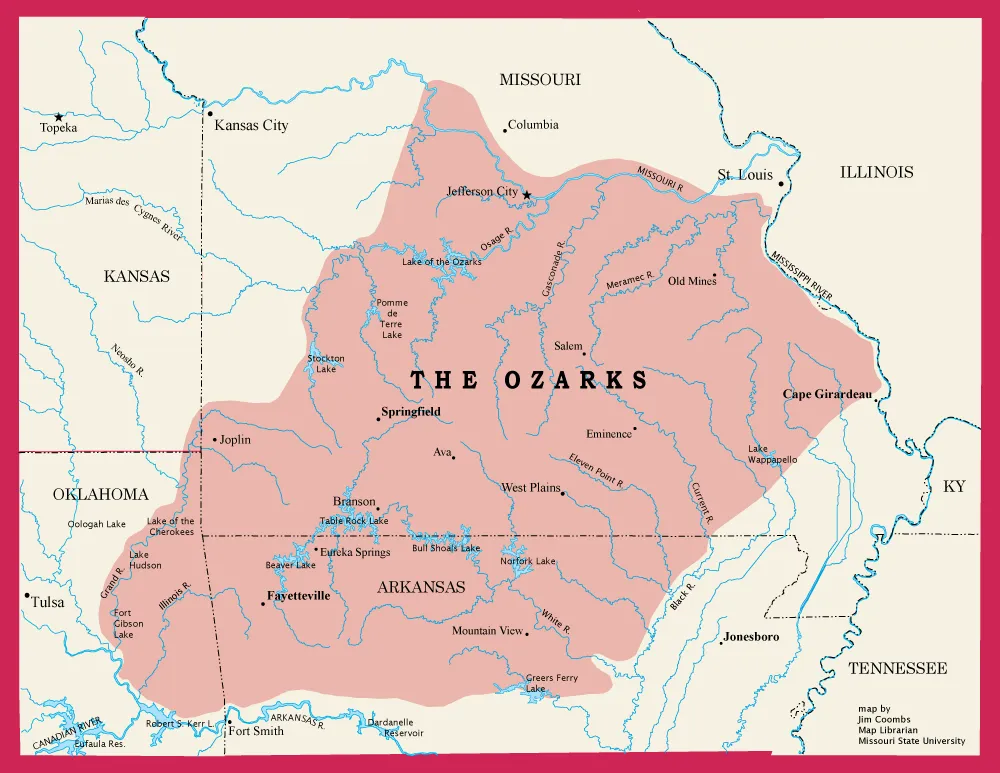 Photo: the Ozarks, via www.ozarkstoryproject.com
That flavor map is almost entirely gone now. And a small, determined group of seed preservationists is racing to recover what little remains.
A Landscape Built for Fruit
The Ozarks are not obvious orchard country. The terrain is rugged, the soil is thin over limestone bedrock, and the growing season is shorter than the flat farmland to the south and west. But those same conditions — the altitude, the temperature swings, the particular mineral quality of the soil — turned out to be ideal for certain kinds of fruit that demanded a little stress to develop flavor.
By the mid-1800s, small family orchards were a fixture across the Ozark hill country. Peaches did especially well in the elevated, well-drained terrain. Settlers from Appalachia brought varieties they'd cultivated back east, then cross-pollinated them with stock they found locally or traded with neighbors. Over decades, distinctly regional varieties emerged — fruits that were never formally named, never submitted to a university extension catalog, just passed from one farm to the next under whatever name the family called them.
Pawpaws and persimmons occupied a different role. These were native fruits, already present in the landscape when European settlers arrived, and the hill families learned to work with them the way Indigenous communities had for centuries before — harvesting at precise moments of ripeness, drying them for winter storage, fermenting the pulp into preserves and syrups. The knowledge of when and how to harvest was entirely oral, passed through demonstration rather than written instruction.
How the Depression Changed Everything
When the economy collapsed in the early 1930s, Ozark farming families were already operating on thin margins. Cash crops had dried up. Credit was gone. What kept households fed through those winters was, in many cases, the orchard out back.
Dried persimmons — sweet, dense, and shelf-stable for months — became a caloric staple in a way that would surprise anyone who's only encountered the fruit fresh. Families developed specific drying techniques, some using the heat of wood-burning stoves, others relying on open-air racks built on south-facing slopes to catch maximum sun. Peaches were canned in enormous quantities; the Ball jar and the backyard orchard were as essential to Ozark food security as any cash crop.
Pawpaws, trickier to preserve because of their short shelf life and fragile flesh, were eaten fresh, cooked into puddings, or fermented into a primitive fruit wine that didn't appear in any recipe book but that most hill families knew how to make.
None of this made headlines. The Ozarks weren't the Dust Bowl. There were no Dorothea Lange photographs of Ozark orchardists. But the quiet agricultural ingenuity that kept these communities alive through the Depression was as sophisticated, in its own way, as anything happening in more documented farming regions.
The Consolidation That Erased It
After World War II, American food culture began its long march toward standardization. Grocery chains needed consistency, shelf life, and the ability to ship fruit across the country without bruising. That meant a narrow selection of varieties bred for durability over flavor — the Delicious apple, the Elberta peach, the Hachiya persimmon. Regional varieties that didn't meet those commercial criteria simply stopped being grown.
In the Ozarks, the shift was gradual but decisive. As younger generations left the hills for factory jobs and city wages, the old orchards were abandoned. Trees that had been tended for a century went feral or died. The oral knowledge that surrounded them — the specific ripening cues, the drying techniques, the names families had given their particular trees — went with the people who carried it.
By the 1980s, most of the distinctive Ozark fruit culture had effectively vanished from the agricultural record. University extension offices had moved on. Commercial nurseries weren't interested in varieties they couldn't sell at scale. And the families who had cultivated these fruits were scattered.
The People Trying to Get It Back
In Fayetteville, Arkansas, a small nonprofit called the Ozark Seed Exchange has spent the last two decades collecting oral histories from elderly farmers and cross-referencing them with what remains of the old orchards. The work is painstaking and frequently frustrating — finding a tree that matches a description passed down through three generations of memory requires a kind of agricultural detective work that doesn't have a clean methodology.
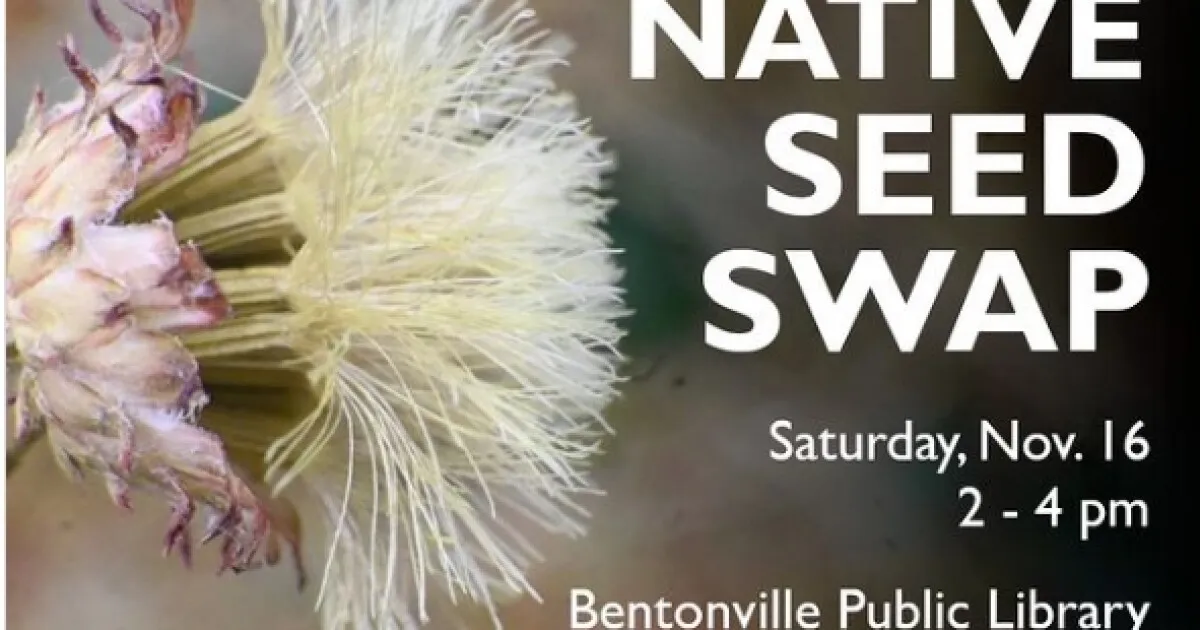 Photo: Ozark Seed Exchange, via npr.brightspotcdn.com
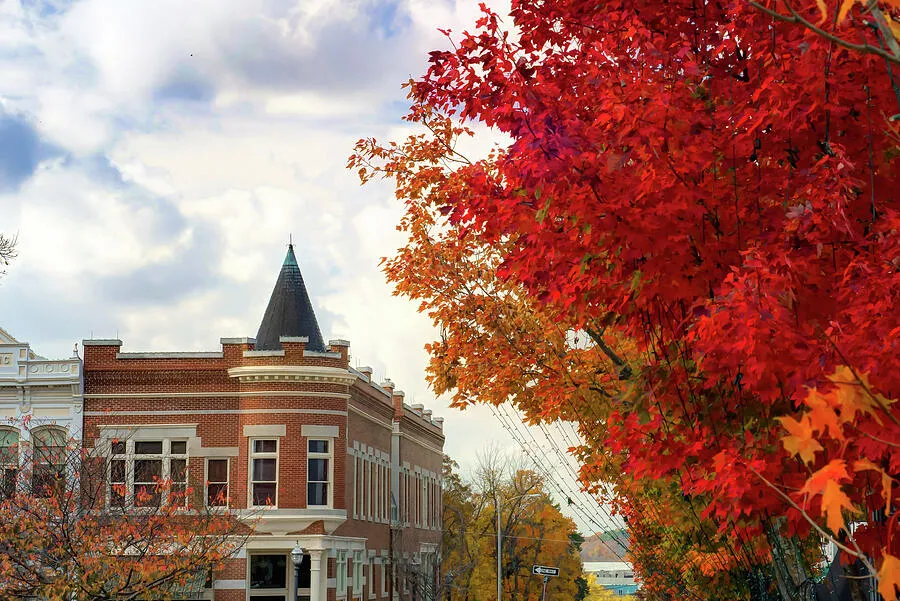 Photo: Fayetteville, Arkansas, via images.fineartamerica.com
Similar efforts are underway through the USDA's Plant Genetic Resources Unit, which maintains a repository of heritage fruit varieties, and through a loose network of individual orchardists and botanists in Missouri and Arkansas who have been quietly grafting cuttings from surviving old trees and distributing them to anyone willing to grow them.
The pawpaw, notably, has experienced a modest mainstream revival in recent years — showing up at farmers markets in cities like Chicago and Washington, D.C., and attracting interest from chefs who appreciate its custard-like texture and tropical flavor. But the specific Ozark strains that Depression-era families cultivated are a different conversation from the commercially propagated pawpaws now being sold as novelty items. The regional varieties had flavors shaped by specific microclimates and decades of selective cultivation. Recovering them, if it's possible at all, requires finding the actual trees.
What's at Stake
This isn't just a story about nostalgia for old fruit. It's a story about agricultural knowledge — the kind that exists outside institutions, outside written records, and outside the commercial food system entirely.
The Ozark orchardists who kept their families alive through the Depression weren't working from extension bulletins or university research. They were working from accumulated, community-held knowledge about their specific landscape. That kind of knowledge is extraordinarily difficult to reconstruct once it's lost, because it was never designed to be reconstructed — it was designed to be lived.
The fruit varieties themselves are worth saving for purely practical reasons too. Genetic diversity in food crops is a hedge against the kind of catastrophic crop failures that monoculture agriculture makes more likely. The disease resistance, drought tolerance, and flavor complexity that Ozark families cultivated in their orchards over generations represents exactly the kind of genetic material that plant breeders now actively seek.
But maybe the most honest reason to care is simpler than that. A peach that a family in the Arkansas hill country grew for a hundred years, named after their grandmother, and dried on wooden racks to get through a hard winter — that's a remarkable thing. It deserves to be tasted.