Steel Rails and Silver Service: The Pullman Car Chefs Who Secretly Built America's Restaurant Scene
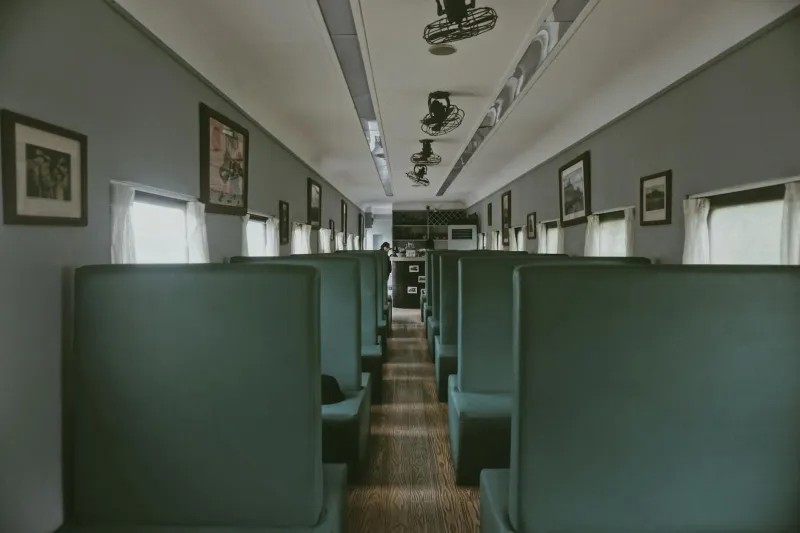
Cooking at 70 Miles Per Hour
Imagine preparing a five-course dinner for 200 guests in a kitchen the size of a walk-in closet. Now imagine doing it while hurtling across the countryside at 70 miles per hour, with the floor swaying beneath your feet and the stove jumping with every rail joint.
Welcome to the most demanding culinary training program in American history — one that operated in the dining cars of the nation's railroads from the 1920s through the 1960s, and one that almost nobody talks about today.
The chefs who mastered this impossible craft were almost exclusively Black men, employed by the Pullman Company and other railroad operators. They worked in conditions that would challenge the most experienced restaurant cooks, producing food that regularly surpassed what passengers could find in the finest hotels of the cities they rolled through.
 Photo: Pullman Company, via i.pinimg.com
And when their railroad careers ended, they took those extraordinary skills and quietly transformed restaurant culture across America.
The Pullman Standard
The Pullman Company didn't just run sleeping cars — they operated some of the most sophisticated dining operations in the country. Their dining cars served fresh seafood in Kansas, perfectly prepared steaks in Montana, and elaborate multi-course meals that became legendary among frequent travelers.
The standards were impossibly high. Meals had to be served on schedule regardless of weather, mechanical problems, or unexpected stops. The food had to arrive hot, perfectly plated, and restaurant-quality despite being prepared in galleys that would make a submarine cook claustrophobic.
"The Pullman dining car was the finest restaurant most Americans had ever experienced," explains railroad historian Marcus Williams. "These weren't simple meals — they were elaborate productions that happened to take place on moving trains."
The chefs who made this possible developed skills that went far beyond normal restaurant cooking. They learned to anticipate the train's movement, timing their cooking to the rhythm of the rails. They mastered inventory management that would impress modern supply chain experts, keeping fresh ingredients viable across thousand-mile journeys without refrigeration reliable enough to trust completely.
The Invisible Training Ground
What made railroad cooking so demanding also made it the most comprehensive culinary education available in America. Dining car chefs had to master every station — they were prep cook, line cook, pastry chef, and expediter all at once. They learned to work with limited equipment, improvise solutions to impossible problems, and maintain standards that never wavered regardless of circumstances.
The training was intense and unforgiving. New cooks started as assistants, learning to work in the swaying galley while experienced chefs taught them techniques that couldn't be found in any cookbook. They learned to read the rails, understanding how different track conditions would affect their cooking. They developed an almost supernatural ability to balance, chop, and plate while the world moved beneath them.
"You learned to cook with your whole body," remembers James Washington, who worked Pullman dining cars from 1945 to 1963. "Your feet had to know where the train was going before your hands did. You learned to feel the difference between a curve and a grade change through the soles of your shoes."
The skills they developed were unlike anything taught in culinary schools of the era. They became masters of timing, organization, and adaptation — exactly the skills that would prove invaluable when they eventually opened their own restaurants.
The Great Migration of Skills
As railroad travel declined in the 1950s and 60s, thousands of these extraordinarily trained chefs found themselves looking for new careers. Many had spent decades perfecting their craft in the most demanding environment imaginable. They had served celebrities, politicians, and business leaders. They had managed complex operations while traveling across the country.
And they were ready to cook on solid ground.
Across America, former railroad chefs began opening restaurants, taking positions in hotel kitchens, and training the next generation of cooks. They brought techniques, standards, and organizational skills that revolutionized local food scenes.
In Chicago, former Pullman chef Ernest Johnson opened a small restaurant on the South Side that became legendary for its perfectly executed comfort food. In Los Angeles, railroad veterans established several restaurants that introduced sophisticated cooking techniques to neighborhoods that had never seen them before.
"These men understood hospitality and precision in ways that most restaurant operators had never experienced," explains culinary historian Dr. Patricia Moore. "They had been running world-class dining operations for decades. When they opened their own places, they brought that level of excellence with them."
The Regional Influence
The impact varied by region, but the pattern was consistent. Cities along major rail lines — Chicago, Kansas City, Denver, Los Angeles — saw the most dramatic influence as former railroad chefs established restaurants and trained local cooks.
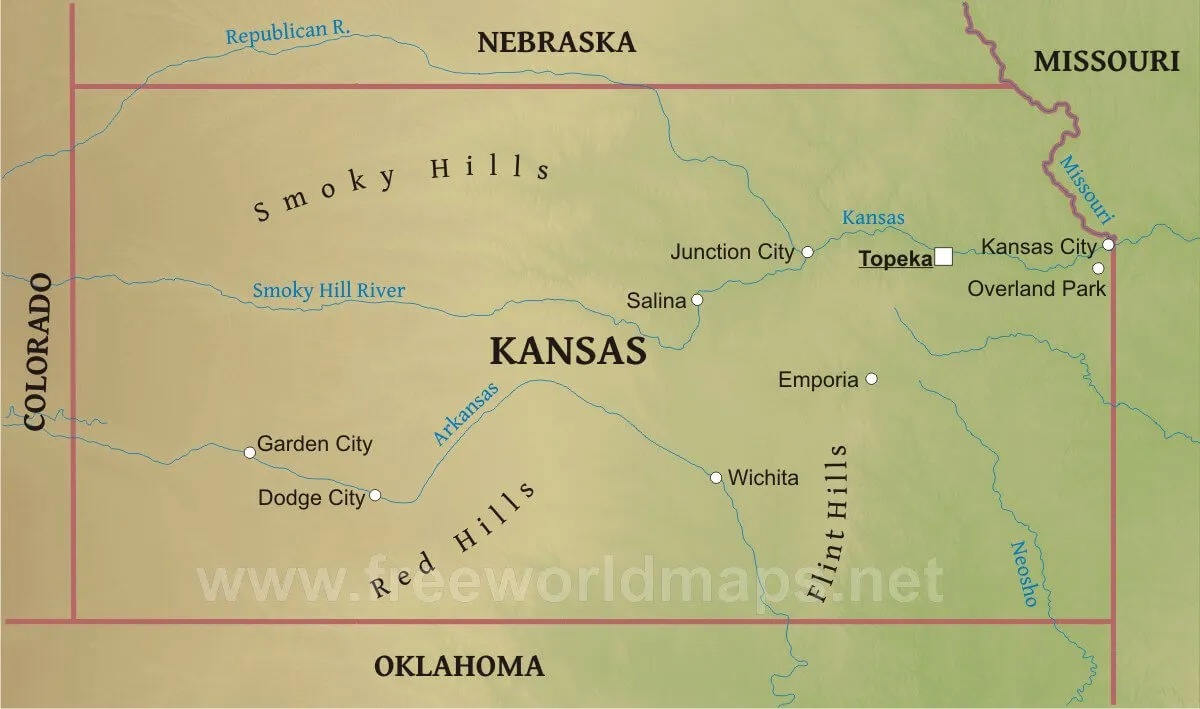 Photo: Kansas City, via www.freeworldmaps.net
In Kansas City, the barbecue scene was transformed by railroad chefs who understood slow cooking, timing, and the importance of consistent quality. In Denver, former dining car cooks introduced sophisticated techniques to mountain region cuisine. In smaller railroad towns, a single former Pullman chef might revolutionize the local restaurant scene almost single-handedly.
The influence often went unrecognized. Food critics and restaurant reviewers rarely connected exceptional local restaurants to their owners' railroad backgrounds. The story of American restaurant culture was written as if these skills had developed in isolation, without acknowledging the mobile training ground that had produced so many of the country's most capable chefs.
The Lost Curriculum
What made railroad cooking so effective as training was also what made it impossible to replicate. The combination of extreme technical demands, constant movement, and unforgiving standards created a learning environment that simply couldn't exist anywhere else.
Modern culinary schools try to simulate pressure through timed exercises and competitive environments, but nothing approaches the reality of preparing dinner service while rolling through the Rockies in a snowstorm, knowing that 200 passengers are expecting their meals to arrive on schedule and perfectly prepared.
"They were solving problems that modern restaurant cooks never have to face," explains chef instructor Maria Santos, who has studied railroad cooking techniques. "But those problems taught them skills that made every other cooking environment seem manageable by comparison."
The Unacknowledged Revolution
The influence of railroad-trained chefs on American restaurant culture represents one of the most significant and underreported developments in food history. For forty years, the nation's railroads operated what was essentially a parallel culinary education system, training thousands of chefs to standards that exceeded most formal programs.
When those chefs transitioned to stationary restaurants, they brought techniques, organizational methods, and quality standards that elevated American dining culture in ways that food historians are only beginning to understand.
The next time you experience exceptional service, perfectly timed courses, or cooking that seems impossibly precise, consider the possibility that you're benefiting from techniques developed in the swaying galleys of long-distance trains, perfected by chefs whose names never appeared in food magazines but whose influence shaped how America learned to eat well.
Sometimes the most important culinary schools are the ones that never called themselves schools at all.