Before the Food Truck, There Was the Tamale Lady — and She Was Running a Masterclass in Micro-Business
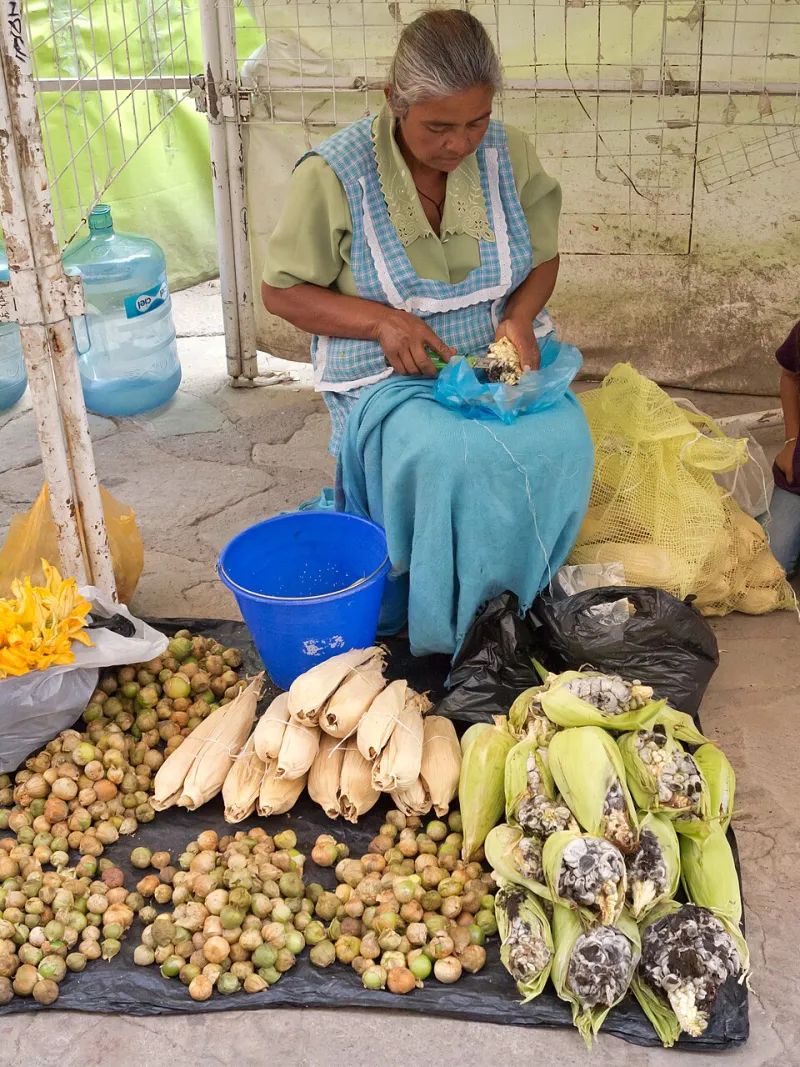
Photo: Tomascastelazo, CC BY-SA 3.0, via Wikimedia Commons
Somewhere in the back of a two-flat in Pilsen, Chicago, around 11 o'clock on a Tuesday night, a woman is wrapping tamales. She's been at it for three hours already. The masa is spread thin and even — the result of muscle memory built over decades — and each one gets folded with a precision that no recipe book could fully capture. By morning, she'll have a hundred ready. By evening, most of them will be sold, door to door, to neighbors who know to leave their porch light on when they want her to stop.
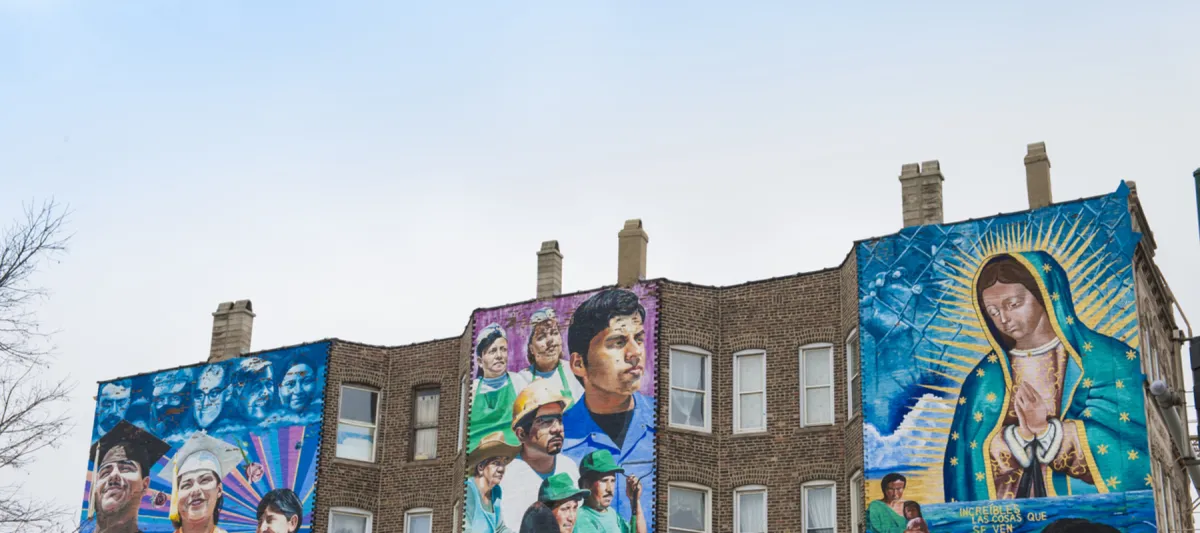 Photo: Pilsen, Chicago, via assets.simpleviewinc.com
This scene played out, in some variation, across dozens of American cities for most of the twentieth century. It's one of the most important and least documented chapters in American food history. And the women at the center of it were running businesses that most modern food entrepreneurs would struggle to replicate.
The Invisible Infrastructure of Immigrant Kitchens
When Mexican, Puerto Rican, and Central American families began settling in large numbers in American cities during the early and mid-twentieth century, they arrived into neighborhoods that had little infrastructure for the food they actually wanted to eat. Grocery stores didn't stock the right chiles. Restaurants that served familiar food were rare and often too expensive for working families. The gap between what people needed and what the market offered was enormous.
The tamale lady — and her equivalents across different communities, selling pastelillos in New York, pupusas in Los Angeles, hand-wrapped lunches in the garment districts of Chicago — filled that gap without anyone asking her to. She wasn't responding to a business plan or a market survey. She was responding to hunger, in the most literal sense, and she built an operation around it that was remarkably efficient.
The core model was simple: cook at home using ingredients purchased in bulk, sell directly to customers through personal relationships, keep overhead at zero, and reinvest in the next batch. But the execution was anything but simple. These women were managing supply chains, customer relationships, pricing strategy, and quality control simultaneously, all while holding down other work and raising families.
What Made the Model Work
Food economists who have studied informal street food networks — and there are surprisingly few of them — point to several features that made these micro-operations so durable.
First, trust. The tamale lady wasn't selling to strangers. She was selling to her block, her building, her church community. Her reputation was entirely personal, which meant quality standards were self-enforcing in a way that no health inspection could replicate. A bad batch of tamales didn't just mean a slow day — it meant losing customers who lived thirty feet away and would tell their cousins.
Second, zero fixed costs. No commercial kitchen, no lease, no equipment loans. The home kitchen was already paid for. This meant that the operation could scale up or down based entirely on demand without any of the financial exposure that sinks conventional food businesses.
Third, the product itself. Tamales, pastelillos, hand-rolled lunches — these are foods that travel well, hold temperature, and are designed to be eaten without utensils. They're ideal street food not by accident but because generations of cooks had already optimized them for exactly this kind of distribution.
Fourth, and perhaps most importantly: the customer base was captive in the best sense. These women were selling food that their customers couldn't easily get anywhere else, at prices calibrated to what working families could actually afford. The economic relationship was built on genuine need, which created a loyalty that no marketing campaign could manufacture.
Chicago's Tamale Economy
In Chicago, the tamale trade has a history that stretches back to at least the early 1900s, when Mexican workers arrived to work in the stockyards and steel mills of the South Side. By the 1920s and 30s, tamale vendors were a fixture on the streets of Pilsen and Back of the Yards — working-class neighborhoods where immigrant families crowded into small apartments and factory shifts ran around the clock.
 Photo: South Side, via m.media-amazon.com
The women who ran these operations were rarely recognized as business owners, even by themselves. The informal economy doesn't come with titles. But the scale of what some of them managed was genuinely impressive. Oral histories collected by Chicago-area food scholars describe women who were producing hundreds of tamales daily, had regular customers across multiple neighborhoods, and had developed pricing tiers — cheaper for neighbors, slightly more for people a few blocks away who had to be served by bicycle or bus.
Some of these operations passed between generations. A daughter would learn the recipe and the customer route simultaneously, inheriting both the culinary knowledge and the social network that made the business run. The recipe and the relationships were inseparable.
San Antonio and the Street Corner Economy
In San Antonio, the chili queens — women who set up open-air food stalls in the city's plazas selling chili con carne and tamales — were famous enough to attract tourist attention by the late 1800s. They were photographed, written about, and romanticized in travel writing. But the less glamorous, more economically significant version of the same tradition was happening on residential streets, in factory neighborhoods, in the margins that tourists never visited.
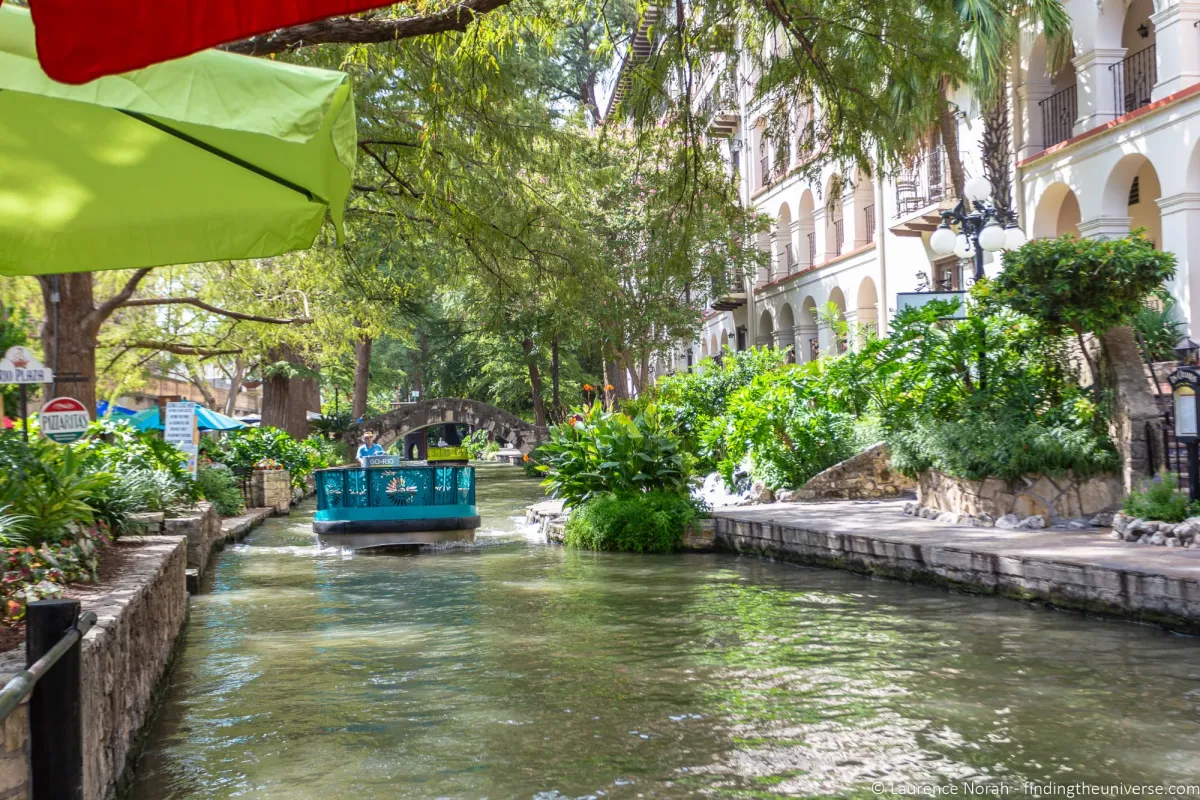 Photo: San Antonio, via www.findingtheuniverse.com
These women operated without permits, without signage, and without any formal recognition from the city's food economy. They also operated, in many cases, for decades without interruption — which suggests a degree of operational sophistication that the word "informal" doesn't quite capture.
What Modern Food Entrepreneurs Are Finally Noticing
The contemporary food truck movement, which exploded in American cities around 2008, is often framed as an innovation — a new way of bringing restaurant-quality food to street level. And in terms of equipment and branding, it certainly is. But the underlying logic of the model — low overhead, direct customer relationships, hyperlocal distribution, food optimized for portability — is the same logic that the tamale lady had been running for generations.
What's different now is visibility. The food truck entrepreneur has a social media presence, a logo, and a festival circuit. She files taxes and applies for permits. The tamale lady had none of that, which is partly why her contribution to American food culture went largely unrecorded.
Some food business researchers and community organizations are now working to document these informal networks before the women who ran them are no longer around to describe them. In Chicago, oral history projects have captured interviews with women who ran neighborhood food operations for decades. In Los Angeles, food justice advocates have pushed for permitting systems that would allow informal vendors to formalize their operations without losing the low-overhead structure that makes them viable.
The tamale lady's business model wasn't a primitive precursor to the modern food economy. It was a parallel food economy — one that operated by different rules, served different needs, and was built on a kind of community trust that the formal market has never quite figured out how to replicate. The food truck is a great invention. But it's standing on the shoulders of someone who was doing this first, in a kitchen three blocks away, without anyone noticing.