The Walking Spice Cabinet: How Syrian Pack Peddlers Quietly Seasoned Rural America
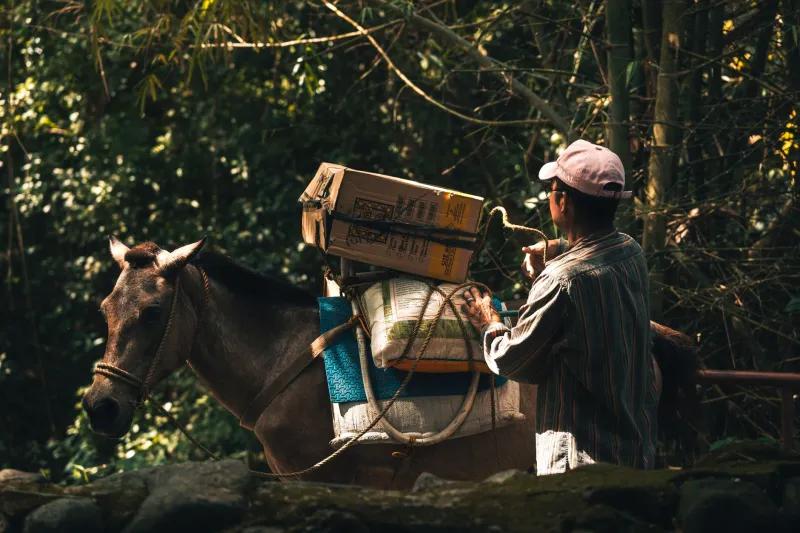
The Spice Route Came to Main Street
Picture this: It's 1895, and you're a farm wife living twenty miles from the nearest town in rural Nebraska. Your pantry holds the basics — salt, black pepper if you're lucky, maybe some dried herbs from your garden. Then one day, a man appears at your door carrying a heavy pack, speaking broken English but offering something extraordinary: small glass vials filled with crimson sumac, fragrant allspice berries, and dried rose petals that smell like a garden in full bloom.
This scene played out thousands of times across rural America in the late 1800s and early 1900s, as Syrian and Lebanese immigrants crisscrossed the continent on foot and by wagon, bringing Middle Eastern spices and goods to isolated communities that had no other access to such luxuries.
These traveling merchants, known as peddlers or "pack men," didn't just sell spices — they quietly transformed American cooking in ways that most food historians have overlooked and most Americans never realized happened.
The Great Syrian Migration Nobody Talks About
Between 1880 and 1920, over 100,000 people emigrated from Greater Syria (modern-day Syria, Lebanon, Palestine, and Jordan) to the United States. Unlike other immigrant groups who clustered in urban neighborhoods, many Syrians chose a different path: they became traveling merchants, spreading across rural America with packs full of goods.
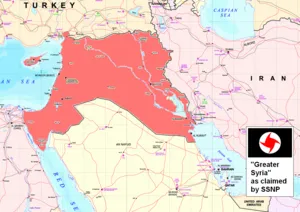 Photo: Greater Syria, via 2.bp.blogspot.com
"Peddling was seen as a way to learn English, understand American culture, and save money to either bring family over or start a permanent business," explains Dr. Akram Khater, a historian who has studied Arab immigration to America. "But it also meant that Syrian immigrants had direct contact with American families in ways that other immigrant groups didn't."
These weren't casual weekend vendors. Syrian peddlers developed sophisticated routes that could take months to complete, visiting the same farm families year after year, building relationships and trust in communities where outsiders were often viewed with suspicion.
What Was in the Pack
A typical Syrian peddler's pack weighed 50-100 pounds and contained a carefully curated selection of goods that couldn't be found in rural general stores. Alongside silk scarves, lace, and small household items were spices and seasonings that most American farm families had never encountered.
Sumac — the tart, lemony spice that's now trendy in modern American restaurants — was a staple of these traveling spice collections. So were allspice berries, dried mint, rose petals, orange blossom water, and complex spice blends like baharat that combined black pepper, cinnamon, cloves, and cardamom.
"These peddlers weren't just selling exotic goods," notes food anthropologist Dr. Reem Kassis. "They were introducing American cooks to flavor profiles that had been developed over centuries in the Levantine region — techniques for balancing sweet, sour, and aromatic elements that were completely different from European cooking traditions."
Many peddlers also carried dried fruits like dates and figs, nuts like pine nuts and pistachios, and preserved items like pickled turnips that could demonstrate how these new spices might be used.
How Farm Wives Adapted Middle Eastern Flavors
The genius of the Syrian peddler system wasn't just in what they sold, but in how they sold it. These merchants understood that American farm wives weren't going to completely change their cooking overnight. Instead, they showed how Middle Eastern spices could enhance familiar dishes.
Sumac, with its bright, lemony flavor, proved perfect for seasoning fried chicken or adding tartness to fruit pies when lemons weren't available. Allspice berries worked beautifully in American-style pickles and preserves. Rose petals could be dried and added to tea or used to flavor simple sugar cookies.
"The peddlers were essentially doing recipe development on the spot," explains culinary historian Linda Civitello. "They had to figure out how to make their spices work with American ingredients and cooking methods, creating fusion recipes that nobody recognized as fusion at the time."
Farm wives began incorporating these new flavors into traditional recipes, often without fully understanding their Middle Eastern origins. A German-American family in Wisconsin might start adding allspice to their sauerbraten. Irish-American cooks in rural Pennsylvania might discover that sumac made their potato salad more interesting.
The Recipes That Survived
If you dig deep enough into regional American cookbooks from the early 1900s, you can find the fingerprints of Syrian peddler influence. Midwestern church cookbooks contain recipes for "Arabian cookies" flavored with rose water. Southern community cookbooks include instructions for "Turkish rice" seasoned with allspice and cinnamon.
More subtle influences show up in the unexpected use of Middle Eastern spice combinations in otherwise traditional American dishes. The popularity of allspice in certain regional barbecue rubs. The use of sumac-like tartness in Appalachian cooking. The appearance of rose flavoring in traditional American desserts from areas where Syrian peddlers were active.
"These influences became so integrated into local cooking traditions that people forgot they had Middle Eastern origins," notes Dr. Khater. "Families would pass down recipes that included these spices, but the story of where the spices came from got lost over generations."
Beyond the Spice Trade
The Syrian peddler network represented something unprecedented in American immigration history: a group of immigrants who had intimate, ongoing contact with rural American families across the entire continent. While other immigrant communities were concentrated in urban neighborhoods, Syrian peddlers were sleeping in farmhouse guest rooms, sharing meals with families, and becoming trusted members of rural communities.
This created cultural exchange that went both ways. American farm families learned about Middle Eastern flavors and cooking techniques, while Syrian immigrants gained deep insights into American culture, business practices, and regional preferences that would prove invaluable when many of them eventually opened permanent stores.
"The peddler system was essentially a decades-long cultural exchange program that nobody planned," reflects modern Middle Eastern food expert Anissa Helou. "Syrian immigrants learned American tastes while American families learned Middle Eastern flavors, creating fusion cooking that happened organically at the grassroots level."
The End of an Era
The golden age of Syrian peddling began declining in the 1920s, killed by the same forces that transformed much of American retail: improved transportation, chain stores, and mail-order catalogs that could deliver goods to rural areas more efficiently than traveling merchants.
Many successful peddlers used their savings and knowledge of American markets to open permanent stores, often becoming the founders of Middle Eastern grocery stores that served immigrant communities in cities. Others moved into wholesale importing, helping to establish the supply chains that would eventually make Middle Eastern ingredients more widely available.
But the intimate relationship between Syrian merchants and rural American families — the personal connections that had enabled so much culinary cross-pollination — largely disappeared.
The Hidden Legacy
Today, as Middle Eastern flavors become trendy in American restaurants and home cooking, most people don't realize that this isn't actually the first time these spices have been popular in American kitchens. The current enthusiasm for sumac, za'atar, and rose water represents a rediscovery rather than a discovery.
"Syrian peddlers were the original food ambassadors," notes Dr. Kassis. "They introduced American cooks to ingredients and flavor combinations that are now being 'discovered' all over again by food writers and chefs who think they're bringing something completely new to American tables."
The next time you see sumac in a trendy restaurant or rose petals in an artisan dessert, remember: these flavors have been part of American cooking for over a century, quietly incorporated into regional recipes by farm wives who learned about them from Syrian immigrants carrying heavy packs down dusty country roads.
The walking spice cabinets are gone, but their influence remains hidden in plain sight, seasoning American food in ways that most of us never knew to look for.